Overview of Eye Found It Game
Eye Found It! blends Disney charm with classic find‑the‑object play. Players spin a dial, move tokens along a branching board, and hunt for hidden items using search cards. The goal: locate all treasures before time runs out, earning points for speed and accuracy. Players collaborate to spot clues fast

Essential Components
Components: a game board, player tokens, a spinner, search cards, a timer, and a score sheet. Each piece is themed with Disney characters. The board features branching paths and shortcut spaces. Tokens move based on spinner results. Cards reveal hidden items to find. All parts fit in a plastic case fast.
Game Board, Tokens, Spinner, and Search Cards
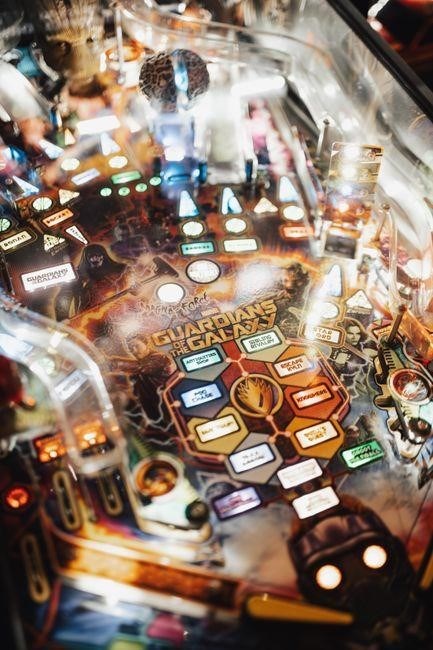
The board’s layout features multiple branching paths that allow players to choose routes, adding strategic depth. Tokens are small, colorful Disney figurines that fit snugly on the board’s squares. The spinner is a simple, durable wheel with numbers 1‑6, ensuring quick turns. Search cards are thick, high‑quality cardstock with vivid Disney artwork. Each card hides a specific item, such as a hidden Mickey or a character’s prop, and players must locate it within the board’s intricate scene. The cards are shuffled each game, ensuring a fresh challenge every time. During gameplay, players read the search card, locate the hidden item on the board, and place the token on the matching space to claim it. The game rewards observation, as each turn may reveal a new item. Players can use the spinner’s path options to plan efficient routes, avoiding dead‑ends and maximizing points. The final score reflects speed and accuracy rewarding those who master the hunt!!!!!
Setup Procedure
Begin by connecting the board panels, then place each player’s token on the start space. Shuffle the search cards and lay them face‑down beside the board. Set the spinner in the center and turn the clock to 1 minute. The youngest player spins first, starting the hunt. All parts are set for fun today hunt!
Assemble Board and Place Tokens
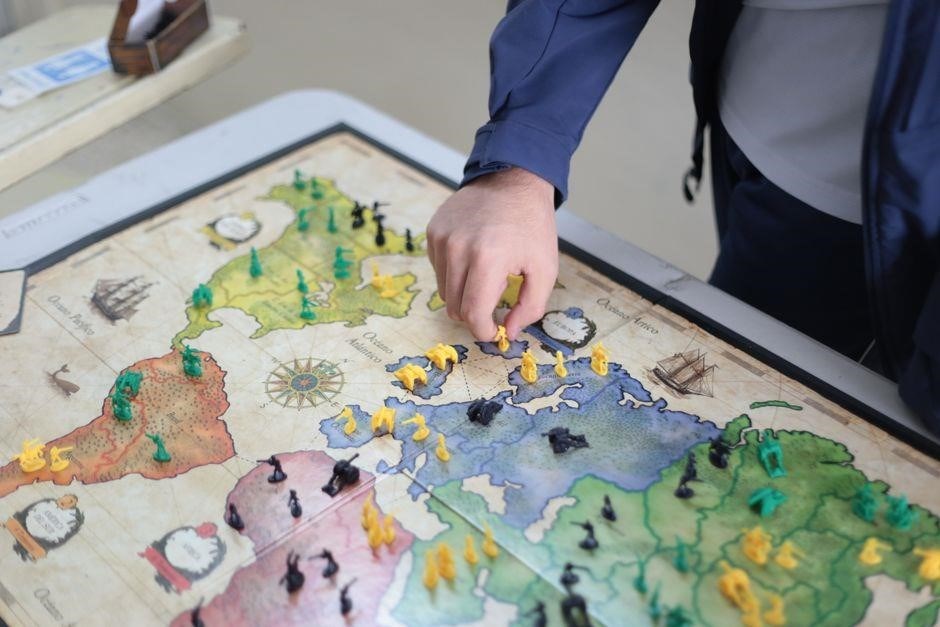
First, lay out the game board’s individual panels on a flat surface, aligning the printed edges to form a continuous path. The board is usually divided into three or four sections; snap them together using the interlocking tabs or the provided adhesive strips. Once the board is fully assembled, inspect the pathways for any loose edges or misaligned squares, ensuring a smooth travel route for the tokens.
Next, each player selects a distinct colored token from the set. Place the chosen token on the designated start space, which is typically marked with a bright icon or a special symbol indicating the beginning of the adventure. The youngest player, or the one who rolls the lowest number on a preliminary spin, will take the first turn. This initial positioning sets the stage for the race to find hidden Disney treasures.
After tokens are placed, set the spinner in the center of the board. The spinner is a crucial element; it determines how many spaces a player can move during their turn. Make sure the spinner’s wheel is free to rotate and that the indicator arrow points to the starting position. Finally, turn the game clock to the 1‑minute setting, which will be used to track the overall game duration. With the board assembled, tokens positioned, and the spinner ready, the stage is set for an exciting hunt for hidden items.
Before play, double‑check that each token is on a legal starting square and that no two tokens occupy the same space. If a token is misplaced, slide it back to the nearest valid square. This verification step prevents disputes during the game and guarantees that every player starts on equal footing.
Once everything is verified, gather the search cards, shuffle them thoroughly, and place them face‑down near the board. The cards will be drawn during the game to reveal hidden items. With the board, tokens, spinner, and cards all in place, the players are ready to spin, move, and hunt for the Disney treasures hidden throughout the layout. Remember to keep the spinner’s wheel free of obstructions and to reset the clock after each round. Players should also note the special shortcut squares marked with a star, as landing there can instantly move them to a distant location, adding excitement to the search.
Shuffle and Place Search Cards
Begin by gathering all search cards, which feature the hidden Disney items and clues. Spread them face‑down on a flat surface, ensuring they are evenly distributed. Use a gentle shuffle to randomize the order, then place the deck in the designated card holder adjacent to the board. Each card should be fully visible to all players, but the contents remain concealed until drawn. The card holder should be positioned within easy reach, so players can quickly flip a card when they land on a search space. Keep the deck face‑down until the first player draws a card, at which point the card is turned face‑up and read aloud. After the card is resolved, place it in the discard pile next to the holder. When the discard pile grows too large, shuffle it back into the deck to maintain a continuous supply of search cards. This process ensures that every turn introduces a new element of surprise, keeping the hunt engaging and unpredictable. By following this routine, players maintain a fair and organized flow, preventing any accidental exposure of card contents and preserving the mystery integral to the game’s excitement. To further enhance fairness, players should agree on a single method for shuffling—either a riffle shuffle or a pile shuffle—before the game starts. Additionally, placing the card holder on a stable surface prevents accidental spills. Finally, after the discard pile is reshuffled, players should verify that the deck is intact and that no cards are missing, ensuring a smooth continuation of the hunt for allplayers
Gameplay Mechanics
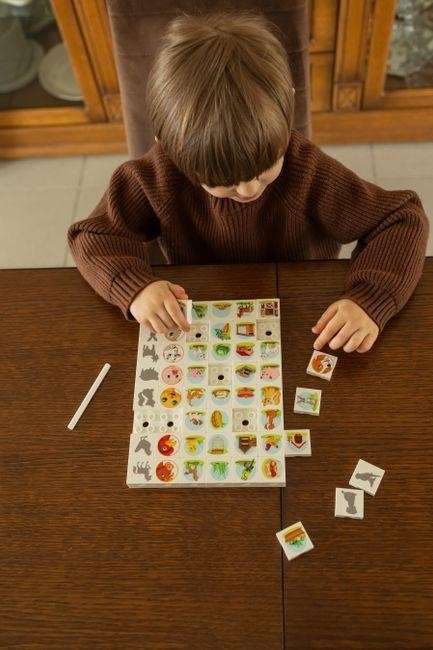
Players spin the dial, move tokens along branching paths, and draw search cards when landing on special spaces. Each turn follows a spin‑move‑search cycle, with items hidden in illustrations. The goal is to locate all treasures before time expires, earning points for speed. Keep the board visible for all
Turn Sequence and Movement
At the start of a turn, the active player spins the spinner. The number displayed determines how many spaces the player’s token moves forward along the board’s path. If the spinner lands on a shortcut or branching space, the player chooses the desired route. When the token lands on a search space, the player draws the top card from the search deck and follows the instructions: locate the hidden item in the illustration and place the corresponding token on the board. If the item is found, the player earns points; if not, the turn ends. After completing the search, the player’s turn ends and the next player clockwise takes their turn. The game continues until all items are found or the time limit expires. Players must keep track of which items have been located to avoid duplicate searches and to maximize scoring opportunities. The sequence of spin, move, search, and score repeats for each turn, creating a rhythm that balances luck and observation skills. Players should also pay attention to the subtle visual cues that hint at hidden items, such as color contrasts or recurring motifs. By systematically scanning the board from left to right and top to bottom, players can reduce the time spent searching. Remember that each successful find not only adds to the score but also unlocks bonus opportunities that can shift the balance in a tight game. Staying organized and communicating with teammates discovered items helps maintain momentum and ensures that no treasure is overlooked during the minutes. All players benefit.
Path Variations and Item Discovery
Players navigate a dynamic board where each path branch offers a different visual challenge. The spinner’s outcome dictates movement, but the board’s layout introduces optional shortcuts that can skip sections, making some routes faster while others require careful observation of hidden details. When a token lands on a search tile, the player draws a card that specifies a particular item to locate within the illustration. The illustration is densely populated with Disney characters, objects, and background scenery, so spotting the correct item demands a keen eye for subtle differences such as color, size, or placement. The game’s design encourages players to scan systematically, often starting from the left side of the board and moving rightward, then descending to the next row. This methodical approach reduces the likelihood of missing an item and speeds up the overall search. Additionally, each search card may grant a bonus if the item is found within a limited number of attempts, adding a layer of strategy to the choice of path. Players must balance the risk of taking a longer route that might reveal a rare item against the safety of a shorter, more predictable path. The board also features hidden “treasure” spaces that, when reached, allow a player to draw an extra card, potentially accelerating the discovery of multiple items in quick succession. By mastering the interplay between path selection and item detection, players can maximize their score and maintain momentum throughout the game. Enjoy the hunt!!
Scoring and Time Limits
In Eye Found It!, each successfully located item awards points that accumulate toward a final score. The base value for a found item is 10 points, but the card may specify a higher value if the item is rare or requires multiple attempts. Players receive an additional 5‑point bonus for completing a search within the first three spins, encouraging quick recognition. If a player fails to locate the item after the allotted spins, the card is discarded and no points are awarded for that round.
Time limits are enforced by a 60‑second countdown that starts when the youngest player begins the game. All players must finish their turns before the timer reaches zero; otherwise, the game ends immediately and the current scores are tallied. The timer resets after each round, allowing players to maintain a steady pace. Players may also opt for a “speed mode” by setting the timer to 45 seconds, which raises the stakes and rewards faster play with a 10‑point multiplier on all found items.
At the end of the game, the player with the highest total score wins. In case of a tie, the winner is determined by who found the most items in the shortest cumulative time. The scoring system rewards both accuracy and speed, making each decision on path choice and search strategy critical to victory.
Players also earn a cumulative bonus at the end of the game: if a player has collected at least 80% of all available items, they receive a 20‑point bonus. Conversely, if a player fails to find any item in a round, they incur a 5‑point penalty to discourage passive play. The scoring sheet provided with the game includes slots for each player’s name, round points, bonuses, and penalties, making it easy to track progress throughout the session. Mastering the timing and scoring nuances turns Eye Found It! into a strategic race against both the clock and your fellow players. Players who consistently balance speed with precision often find themselves in the lead by the final round. Enjoy!

Winning Conditions and Tips
Win by highest score; ties broken by most items found and fastest cumulative time. Aim for quick, accurate searches, use shortcut paths, and focus on high‑value cards. Avoid over‑spinning and missing rare items; keep the clock in mind to maximize points.
Use the clock plan routes that hit items quick !!
Victory Criteria and Bonus Points
Victory is achieved when a player accumulates the highest score after all search cards are exhausted or the timer expires. Scores are tallied by adding points for each correctly identified item and subtracting penalties for missed or incorrectly claimed items. Bonus points are awarded for specific achievements: finding all items in a single turn, completing a full set of themed items, or locating a rare item within the first few turns. Each bonus carries a predetermined value that can shift the leaderboard dramatically. Players can also earn time‑based bonuses if they finish the game before the clock reaches zero; the faster the completion, the higher the bonus multiplier. Strategic use of shortcut spaces and careful selection of paths can help secure these bonuses, as they often lead to clusters of high‑value items. The game’s design encourages quick, focused searches, rewarding players who balance speed with accuracy. At the end of the round, the player with the highest total—including base points and all bonuses—wins the game. In case of a tie, the player who achieved the bonus points first is declared the champion.
To maximize bonus points, players should prioritize high‑value items early, as these unlock multipliers. Keeping track of remaining items on the board helps avoid redundant searches. Coordinating with teammates to cover separate sections reduces overlap and speeds up the hunt. Remember that the clock is a resource; time‑based bonuses can turn a close game into a decisive victory. Finish early for a bonus multiplier!!
Efficient Search Strategies
Players should note that the board’s layout often repeats patterns; recognizing these can help predict where hidden items may lie. For example, a cluster of bright colors usually signals a themed set, while a darker section may hide rarer objects. By memorizing visual cues, you can skip irrelevant areas and focus on probability zones. Additionally, keeping a tally of items found allows you to adjust your strategy, ensuring you always target the most valuable remaining objects.
Common Pitfalls to Avoid
Players often overlook the subtle clues that hide in plain sight, mistaking bright patterns for ordinary scenery. A common error is to focus solely on the most obvious spots, neglecting the darker corners where rare items are usually tucked away. Another pitfall is rushing through turns; the spinner’s number may tempt you to skip a thorough scan, but every space counts. Misreading the search cards can also lead to wasted moves—double‑check the card’s description before acting. Some gamers forget to keep track of which items have already been found, causing redundant searches. Additionally, the board’s branching paths can mislead; choosing the wrong route may waste valuable time. Players sometimes ignore the time limit, thinking they have more turns than they actually do. Finally, neglecting to communicate with teammates about discovered items can result in duplicated efforts and lost points.Remember, each turn is a chance to sharpen your observational skills and enjoy the vibrant Disney world. By staying organized, communicating with teammates, and practicing regularly, you’ll become a master of the game. Keep your eyes peeled, your mind alert, and your spirit playful. The more you play, the better you’ll become at spotting even the most elusive treasures hidden among the bustling scenes. Happyhunting! Practice makes perfect, so gather friends, set a timer, and challenge each other to find all items before the clock runs out. The excitement builds with every discovery. and the thrill again