Game Overview
Disney Eye Found It is a hidden‑picture card game where players hunt for the object shown on the current card. Each player scans their hand for a matching card, revealing it to score points. The game blends memory, observation, and quick decision‑making for fun family play. Players enjoy quick rounds.!!!
What is Disney Eye Found It?
Disney Eye Found It is a fast‑paced, family‑friendly card game that turns every hand into a treasure hunt. At the start of each round a single “objective” card is revealed, showing a familiar Disney object, character, or location. Every other player holds a hand of picture cards, each depicting a different Disney image. The goal is simple: locate the card that matches the objective as quickly as possible. When a player spots the correct card, they play it face‑up, earn points, and the next objective is drawn. The game continues until the deck is exhausted, and the player with the highest score wins. The combination of visual memory, quick reaction, and a touch of luck makes it ideal for parties, family nights, or travel entertainment. Its colorful artwork and recognizable Disney themes keep both kids and adults engaged, while the short rounds keep the excitement high and the learning curve shallow.
Publication History
Disney Eye Found It was first released by Disney Interactive Studios in 2021 as a digital companion to the popular “Eye Found It” series. The card game version followed in 2022, produced by Ravensburger in partnership with Disney. The original design was inspired by the 2019 “Eye Found It” mobile app, which combined augmented reality with classic picture‑search mechanics. In 2023, a deluxe edition was launched in 2024, featuring holographic foil cards and a collectible card sleeve. The game has received several awards, including the 2024 Toy of the Year “Best Family Game” and the 2025 Interactive Gaming Award for “Best Visual Design.” Its popularity has led to expansions, such as the “Disney Princess” and “Marvel” packs, released in 2024 and 2025 respectively. The game’s success has also spurred a line of themed accessories, including a custom card holder and a set of “Eye Found It” stickers. The game’s publisher has announced plans for a “Digital Companion” app in 2026, which will sync with the physical deck to provide real‑time scoring and new challenges.
The design team consulted with Disney’s creative studio to ensure authenticity across all characters and settings. Production runs use 100% recyclable cardboard and soy‑based inks, aligning with Disney’s sustainability goals. Players can customize decks by swapping in themed packs, allowing for endless replayability. The game is available in multiple languages, making it accessible to a global audience. In addition to the standard edition, a premium version offers a velvet card holder and foil cards. The companion app, slated for release in 2026, will track scores, unlock bonus challenges, and provide AR overlays for an immersive experience. Community events, such as “Eye Found It” tournaments, have already begun, fostering friendly competition among families worldwide.

Target Players
Disney Eye Found It is designed for players aged 6 and up, making it an ideal family game that balances accessibility with depth. The core mechanic—searching for a hidden object on a card—requires quick visual scanning, making it suitable for children who enjoy picture puzzles and adults who appreciate a light strategic challenge. The game supports 2 to 4 players, but can be expanded to 6 with the use of a shared deck or by adding a “team” mode where pairs compete against each other. This flexibility allows casual gatherings, birthday parties, or longer game nights with friends. The game’s difficulty scales naturally: younger players can focus on simple, brightly colored objects such as a “teddy bear” or “balloon,” while older players can tackle more complex images like “a hidden pirate ship” or “a subtle background detail.” The rulebook includes optional “advanced” cards that introduce time limits or multi‑object searches, giving experienced players an extra layer of challenge without alienating newcomers. Parents can use these optional rules to adjust the game’s pace, ensuring that the experience remains engaging for all ages. In addition to age, the game targets a wide range of interests. Disney fans will appreciate the inclusion of beloved characters from the Disney universe, while general puzzle enthusiasts will enjoy the cognitive benefits of pattern recognition and memory. The game’s design also accommodates players with visual impairments: cards feature high‑contrast images and large, bold text, and the rulebook offers a “high‑contrast” version that can be printed on white paper for easier reading. This inclusive approach aligns with Disney’s commitment to accessibility. The game’s social dynamics are intentionally cooperative yet competitive. Players must quickly locate the target object, but they can also block opponents by holding the matching card, creating a subtle layer of strategy. This balance of teamwork and rivalry appeals to families who enjoy friendly competition without the intensity of more strategic board games. The game’s short playtime—typically 20 to 30 minutes—makes it perfect for travel, waiting rooms, or as a quick break between activities. This short playtime—typically 20 to 30 minutes—makes it perfect for travel, waiting rooms, or as a quick break between activities. The game’s vibrant artwork and engaging mechanics make it a timeless addition to any family’s game collection, ensuring hours of shared joy and laughter! Its colorful cards and playful challenge make it a favorite for family game nights, bringing smiles and laughter!
Game Components
Disney Eye Found It ships in a sturdy, travel‑friendly box that contains all the essentials for a quick, engaging game. Inside are 120 illustrated cards, each featuring a vibrant Disney scene or character that hides a specific object. The deck is divided into four color‑coded sets—red, blue, green, and yellow—each with 30 cards, making it easy to spot potential matches and adding a subtle layer of strategy. Cards are printed on thick, matte cardstock to prevent glare and keep the artwork vivid. The box also holds a laminated rule sheet that explains the core mechanics, optional advanced rules, and a quick‑start guide for newcomers. A reusable score pad tracks points earned for correctly identifying the hidden object, and a bonus column rewards special achievements like finding a card on the first turn or spotting a hidden Easter egg. Four lightweight plastic tokens, engraved with classic Disney silhouettes, mark turns and indicate the current player. All components are designed for family play, ensuring easy setup, quick rounds, and visual appeal for players of all ages. The high‑quality artwork and durable construction make Disney Eye Found It a reliable addition to any game shelf, suitable for casual family nights or competitive tournaments.
The packaging is eco‑friendly, using recycled cardboard and soy‑based inks. A QR code on the rule sheet links to a companion app that offers downloadable expansions, digital tutorials, and a “challenge mode” where the hidden object changes each round. Players can also swap the plastic tokens for wooden ones carved with Disney characters, adding a collectible element, and fun experience.
Rules & Instructions
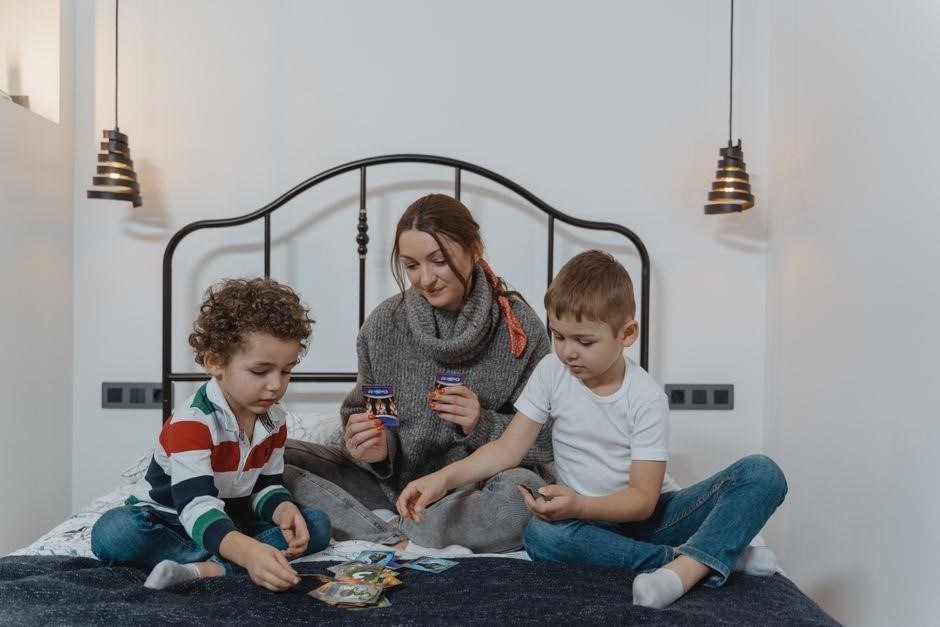
Players draw a card, reveal the hidden object, then each player scans their hand for a matching card. The first to find it scores points and keeps the card. Play continues clockwise until the deck is exhausted. Highest score wins. Use a timer to add urgency keep play lively!
Setup & Card Distribution
Before play begins, gather the full set of Disney Eye Found It cards. Shuffle the deck thoroughly to ensure a random distribution. Deal an equal number of cards to each player, placing them face‑down in a personal hand. The remaining cards form the draw pile, positioned centrally for easy access. Each player keeps their hand concealed from opponents, revealing only the card they choose to play during their turn. The top card of the draw pile is flipped face‑up to establish the current target object. Players scan their hand for a card depicting the same object. If a player finds a matching card, they play it, score a point, and add it to their score pile. The turn passes clockwise. If no match is found, the player draws a card from the draw pile and adds it to their hand. This cycle repeats until all cards are played or the draw pile is exhausted. The setup also includes determining play order, which can be decided by a simple die roll or by selecting the player who most recently watched a Disney movie. Once the order is set, the first player flips the top card to reveal the initial target. The game proceeds in this manner, focusing on the current target and quick spotting of matching cards. The setup and card distribution process is designed to be quick and straightforward, allowing families and friends to jump straight into the fast‑paced search and score‑keeping that defines Disney Eye Found It. All actions are performed in a round, ensuring a lively pace!!!
Turn Order & Objective
In Disney Eye Found It, the turn order is set during the initial shuffle and follows a strict clockwise rotation. The player who draws the first card or wins a quick dice roll begins the game. Each turn has three phases: first, the active player flips the top card of the central pile to reveal the current target object; second, the player scans their hand for a matching card; third, if a match is found, the card is played face‑up, the player scores one point, and the card is placed in their personal score pile. If no match is found, the player draws a single card from the draw pile and adds it to their hand, then the turn passes to the next player. The objective is simple yet competitive: be the first to reach a predetermined point total—commonly ten or fifteen points—by successfully locating and playing matching cards. The game’s pace encourages quick visual scanning and strategic hand management. Each turn’s outcome directly affects the next player’s options, creating a dynamic flow that keeps all participants engaged. The objective remains constant throughout the game, and the excitement comes from racing to outpace opponents by efficiently collecting matching cards before the draw pile is exhausted or the point threshold is met. This focus on rapid recognition and point accumulation defines the core appeal of Disney Eye Found It, making it ideal for family gatherings, casual competitive play, and themed game nights. Players often use quick mental tricks to remember seen cards, adding an extra layer of strategy. Enjoy!!!!!!!
Scoring & Winning
In Disney Eye Found It, points are awarded each time a player successfully identifies and plays a card that matches the object revealed at the start of their turn. A single match earns one point, and the card is placed in the player’s score pile for reference. Players may track their points in a simple tally or by counting the cards in their pile. The game typically sets a target score—often ten or fifteen points—before play begins. The first player to reach or exceed this threshold is declared the winner. If the draw pile is exhausted before any player reaches the target, the player with the highest point total at that moment wins. In the event of a tie, the tied players compare the number of cards they have in their score piles; the player with the most cards wins. If the tie persists, a final quick round is played: the remaining players draw one card each from a new shuffled deck, and the first to match the revealed object wins. This tie‑breaker ensures a decisive outcome while maintaining the game’s quick‑play nature. Players often celebrate with a themed “Disney” cheer, adding to the fun atmosphere. Remember to reset the score piles between games for a fresh start. Enjoy the race to find the hidden Disney objects and claim victory! Players can also keep a running tally on a small notepad or use a digital app to track points, which adds a layer of strategy when deciding whether to risk drawing new cards. Some groups introduce a “wild card” rule, where a special card can represent any object, giving an extra to those who hold it!

Common Misconceptions
Many players assume Disney Eye Found It is a game that requires deep knowledge of Disney lore, but the hidden objects are generic and can be found in everyday life. Another frequent misunderstanding is that only one card can be played per turn; in fact, a player may play multiple matching cards if they appear in their hand, accelerating the pace. Some believe the game ends when the draw pile is empty, yet the official rules allow play to continue until a player reaches the target score, ensuring a clear winner. A common error is thinking that the object on the card must be a Disney character; the object can be any item, from a teacup to a bicycle, as long as it is depicted on a card. Finally, players often think that the game is purely luck‑based; however, strategic card management and quick observation skills can greatly influence the outcome.Many players mistakenly believe that the game requires a large deck of Disney cards; in reality, a standard deck of 52 cards suffices if each card is labeled with a Disney object. Some think that the game is only for children, but adults enjoy the challenge of spotting subtle objects among familiar images. A frequent error is assuming that the card with the object must be the first one drawn; however, players can hold onto cards and play them later if the object appears again. Another misconception is that the game ends when a player runs out of cards; instead, the game continues until the target score is reached, ensuring a fair competition. Check the object matches the card’s description!

Tips & Variations
Try swapping the order of revealed cards to surprise opponents. Add a time limit per turn for faster play; Use a larger deck for extended sessions. For a solo challenge, set a score goal and play until you hit it. Mix in themed cards for extra fun. Add twist: blindfold one player

Strategic Play Tips
Mastering Disney Eye Found It hinges on observation, memory, and timing. First, scan your hand swiftly to locate the target image; a quick glance often reveals the match before opponents react. Keep a mental map of cards already played—this reduces guesswork and speeds up future turns. When the object is common, prioritize revealing it early to secure points, but if it’s rare, hold it until the end to maximize value. Use a “hold‑and‑watch” strategy: if you cannot find the target, keep your hand intact and observe other players’ discards; this can signal which cards remain in play. Timing is critical—if you reveal a card too early, you may expose a powerful image that opponents can use. Conversely, delaying too long risks missing the chance entirely. Practice “bluffing” by discarding a card that looks similar to the target; this can mislead opponents and buy you extra time to find the real match. Another advanced tactic is to pair cards: if you hold two cards that share a common theme, you can anticipate which one will likely be called next based on the current object. This foresight lets you decide whether to play now or wait. Finally, keep track of your own score and the score of others; if you’re ahead, you can play conservatively, but if you’re behind, you may need to take risks by revealing less obvious matches to catch up. Consistent practice, quick visual scanning, and strategic patience are the keys to mastering Disney Eye Found It. Remember to adapt your tactics as the deck reshuffles, keeping eye on the changing picture pool!
Common Mistakes to Avoid
Players often fall into a few predictable traps that can cost them valuable points and momentum. The first common error is neglecting a thorough hand scan before the round begins; a quick glance can reveal the target image, but rushing through the cards usually leads to missed opportunities. The second frequent mistake is playing a card that only loosely resembles the current object, which not only wastes a turn but also gives opponents a chance to claim the correct match. Many beginners also ignore the importance of tracking which cards have already been discarded; without this knowledge, they may repeatedly search for images that are no longer in play. A related blunder is over‑relying on the first card that appears to match, without considering that a more valuable card might still be hidden in the hand. Timing errors are also common: revealing a high‑value card too early can give competitors a strategic advantage, while delaying too long can mean missing the opportunity entirely. Finally, some players fail to adjust their strategy when the deck reshuffles; sticking to the same play style regardless of the changing picture pool often leads to suboptimal results. By consciously avoiding these pitfalls—careful hand inspection, accurate matching, discarding awareness, strategic timing, and adaptive play—players can maintain a competitive edge and enjoy a smoother, more rewarding experience.
Observing opponents’ discards reveals which images are in play, letting you anticipate their moves. Keeping a mental tallyof high value cards in your hand lets you decide when to play or hold back for rounds. Use insight now.
Alternative Game Modes
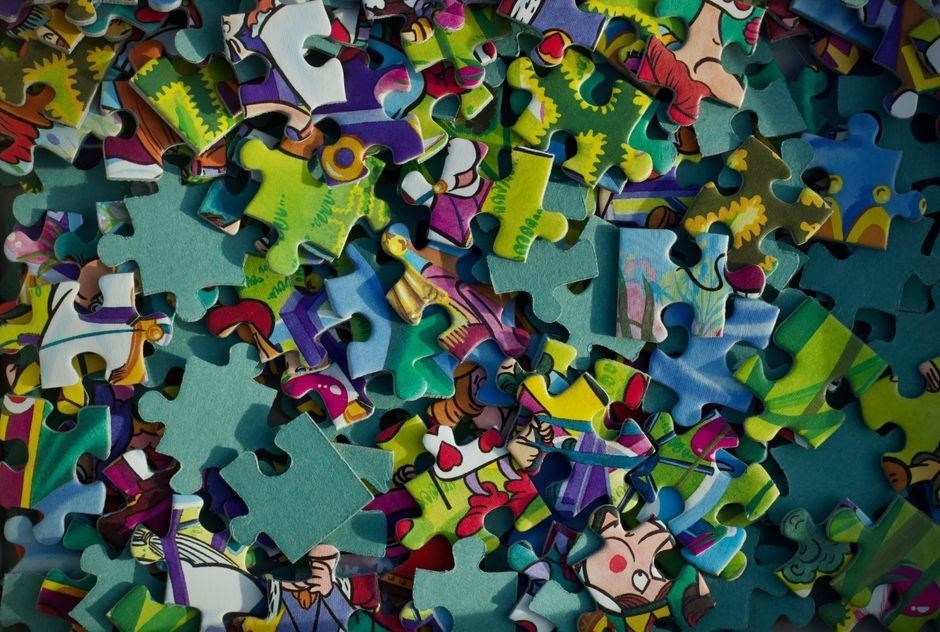
Disney Eye Found It can be stretched beyond its standard play with several inventive variations that keep the core hunt mechanics while adding fresh twists. One popular variant is the “Timed Blitz” mode, where a countdown timer forces players to reveal a card within 10 seconds of the turn cue. This adds adrenaline and discourages long deliberation, making the game feel more like a rapid‑fire scavenger hunt. Another option is the “Team Relay” format, where players split into pairs and each partner must find the same target before the other can. The first pair to complete a full cycle of matches wins, encouraging collaboration and shared strategy.
For a more strategic angle, try “Hidden Mastery.” In this mode, each card type carries a hidden point value revealed only when the card is played; Players must remember which high‑value images have already been discarded to avoid costly mistakes. The final score is a sum of all point values, not just the number of matches. This variation rewards memory and foresight over pure speed.
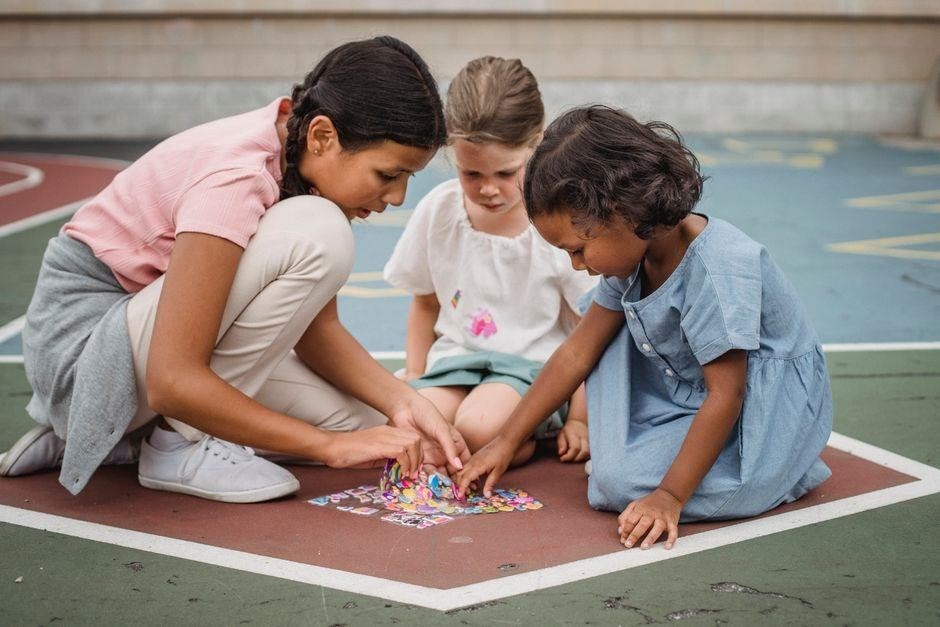
Finally, the “Wildcard Shuffle” introduces a special card that, when drawn, allows the player to swap one of their hand cards with a random card from the deck. This can dramatically alter the board state and forces opponents to adapt on the fly. By rotating through these modes, groups can keep the experience fresh and cater to different play styles—whether they prefer frantic action, cooperative teamwork, or deep strategic planning. Enjoy exploring these modes and keep the game lively for all.
FAQ & Troubleshooting
Missing target card? Double‑check the card’s image; duplicates are normal. If still absent, wait for the next turn.
Duplicate cards? The deck contains several copies of each image. If a card seems extra, the deck may be damaged.
Tie situation? First player to reveal wins the card. Simultaneous reveals discard the card.
More than four players? Add cards to keep hand size balanced; game works up to eight players.
Lost card? Replace with a new card from the supply or reshuffle the discard pile.
Reset? Shuffle all cards, deal new hands, and draw a new target.
Common issues:
- Verify deck completeness.
- Follow turn order.
- Check target before revealing.
- Use timer for “Timed Blitz.”
Persistent problems? Refer to the rulebook or contact support via the publisher’s website. Happy hunting!