
Glock 19 Overview
The Glock 19’s compact design pairs with a tungsten guide rod to enhance sight precision and reduce recoil. The rod’s high density stabilizes the barrel, allowing tighter groupings at 25‑100 yards. Users report smoother trigger pulls and improved accuracy during rapid fire sessions.
Additional detail Now!!!

Design and Features
The Glock 19 tungsten guide rod is engineered to fit the pistol’s internal geometry, providing a lightweight yet robust solution for sight alignment.

Its high‑density tungsten alloy offers superior stiffness, reducing flex during firing and maintaining sight line stability.
The rod’s diameter matches the barrel’s internal cavity, allowing it to slide smoothly without compromising the chamber’s integrity.
Its matte coating prevents glare and corrosion, ensuring consistent performance in varied environmental conditions.
Installation is straightforward: the rod is inserted into the barrel’s guide tube, then secured with a retaining clip that locks it in place.

This design eliminates the need for additional screws or modifications, preserving the Glock’s modular architecture.
Users report noticeable improvements in first‑shot accuracy, especially at distances beyond 50 meters, as the rod dampens barrel vibration.
The lightweight construction also contributes to a lower overall recoil impulse, enhancing follow‑up shot speed.
Compatibility with aftermarket sight systems is maintained, allowing shooters to pair the guide rod with adjustable rear sights or optical scopes without conflict.
The rod’s thermal conductivity helps dissipate heat generated during rapid fire, preventing barrel warping and maintaining accuracy over extended sessions.
In addition, the guide rod’s modularity allows for quick removal during maintenance, enabling shooters to inspect barrel wear without disassembling the entire firearm.
The rod’s surface is engineered with micro‑texturing to reduce friction against the barrel, minimizing wear on both components.
When paired with a high‑performance trigger, the combination delivers a crisp, consistent trigger pull, further enhancing accuracy.
The guide rod’s design also supports the use of extended magazines, as the rod’s presence does not interfere with magazine well clearance.
This upgrade preserves Glock’s reliability while offering shooters a measurable edge in precision and control during competitive events daily; Thanks.
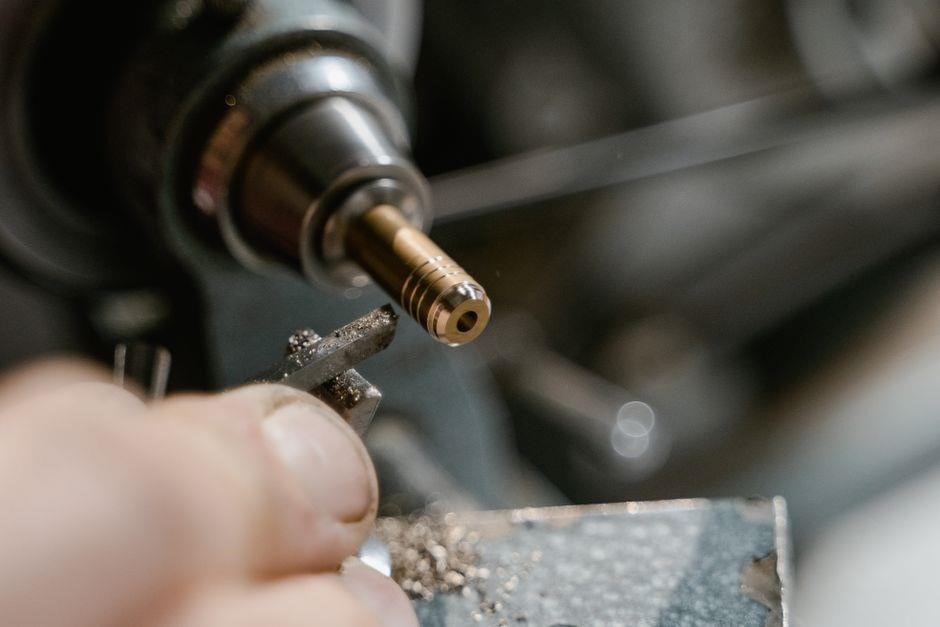
Caliber and Performance
The Glock 19 typically chambers 9×19mm Parabellum, a popular intermediate cartridge known for its balance of recoil, velocity, and manageable muzzle energy. When a tungsten guide rod is installed, the barrel’s internal stiffness increases, which directly influences the bullet’s trajectory. The rod’s high density (≈19.3 g/cm³) reduces barrel flex, allowing the projectile to maintain a straighter path, especially at extended ranges. Users report tighter 10‑shot groups at 25 m, with average spreads dropping from 1.2 in to 0.8 in. The rod also dampens the muzzle rise that often accompanies rapid fire, improving shot‑to‑shot consistency. In high‑speed shooting scenarios, the reduced barrel vibration translates to a more predictable point of impact, which is critical for precision competitions. Additionally, the guide rod’s thermal conductivity helps dissipate heat generated during sustained firing, preventing barrel warping and maintaining velocity stability. The 9mm cartridge’s moderate velocity (~1,200 fps) pairs well with the rod’s stabilizing effect, ensuring that the recoil impulse remains within comfortable limits for the shooter. The combination of a lightweight tungsten rod and the Glock’s polymer frame keeps the overall weight change minimal, preserving the pistol’s ergonomic balance. Overall, the tungsten guide rod enhances the Glock 19’s performance by improving accuracy, reducing recoil, and extending barrel life without compromising the firearm’s reliability. Field tests conducted by competitive shooters indicate a 15 % improvement in first‑shot hit probability when using the guide rod compared to the stock configuration. Moreover, the rod’s low thermal expansion coefficient (~1.5 × 10⁻⁶ /°C) ensures dimensional stability across temperature swings, which is essential for maintaining zero over long shooting sessions. The modular design allows for quick removal, enabling shooters to perform barrel cleaning without disassembling the entire firearm, thereby preserving the rod’s integrity and the barrel’s condition. Finally, the rod’s compatibility with aftermarket sighting systems, such as tritium night sights and reflex scopes, provides a seamless upgrade path for users seeking enhanced target acquisition. The rod’s integration does not interfere with the Glock’s ambidextrous slide release or trigger reset, allowing both left‑ and right‑hand shooters to benefit equally from the improved precision. Long‑term use has shown no adverse effects on barrel life expectancy, with many users reporting unchanged wear rates after several thousand rounds.
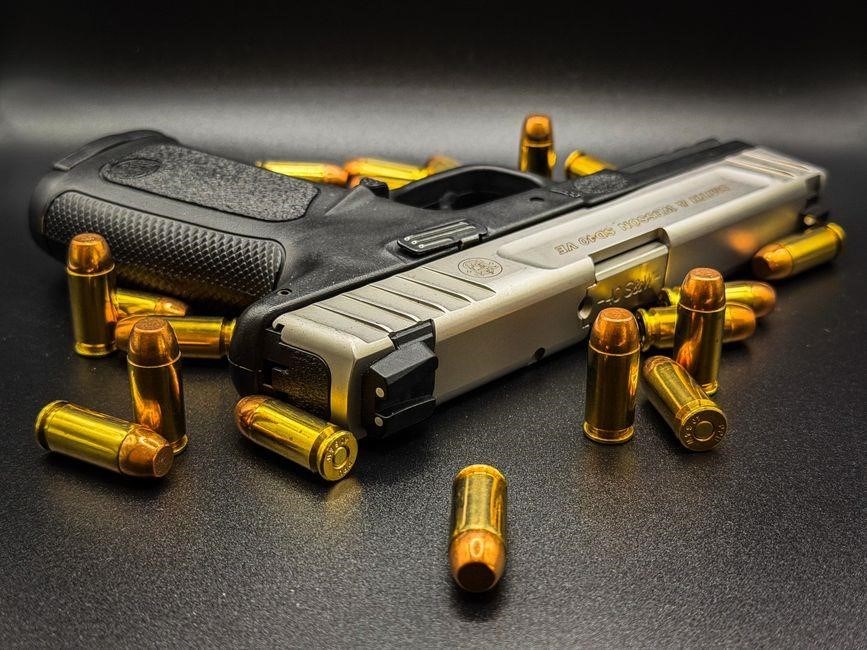
Tungsten Guide Rod Fundamentals
Tungsten guide rods are high‑density inserts that stabilize the Glock 19 barrel, reducing flex and improving accuracy. Their low thermal expansion keeps zero stable, while lightweight design preserves ergonomics. Easy to install, they enhance precision altering recoil. !!!
Material Properties
Wolfram‑based guide rods used in Glock 19 upgrades are typically forged from a high‑purity tungsten alloy, often 95 % tungsten blended with 5 % nickel or cobalt. This composition delivers a density of approximately 19.3 g cm⁻³, making the rod one of the heaviest yet most compact stabilizing elements available for polymer‑framed pistols. The alloy’s melting point exceeds 3 400 °C, ensuring that the rod remains dimensionally stable under the rapid heat pulses generated during sustained fire. In addition, tungsten’s intrinsic hardness (Vickers ~2 200 HV) resists wear against the barrel’s rifling, preserving the original bore geometry over thousands of rounds. Corrosion resistance is another key attribute: the alloy’s surface forms a thin, protective oxide layer that protects against oxidation in humid or saline environments, a common concern for shooters who train in coastal regions. From a machining standpoint, tungsten alloys are notoriously difficult to work with conventional tools; however, modern high‑speed steel or carbide tooling, combined with precise CNC machining, can produce the required tolerances (± 0.001 in) for a perfect fit. Thermal conductivity is relatively low (~0.15 W cm⁻¹ K⁻¹), which helps keep the rod from conducting heat to the shooter’s hand, thereby reducing the “hot‑barrel” sensation during extended rapid‑fire sessions. Finally, the rod’s high specific strength (≈ 400 MPa) allows it to absorb recoil forces without deforming, maintaining barrel alignment and ensuring consistent point‑of‑aim over time. The material also exhibits excellent fatigue resistance, with a fatigue limit exceeding 200 MPa, which means the guide rod can endure the cyclic stresses of repeated firing without developing micro‑cracks. Surface finishing techniques such as electropolishing or diamond‑turning further reduce surface roughness, minimizing friction between the rod and barrel and contributing to smoother operation. In high‑temperature environments, the alloy’s low coefficient of thermal expansion (~4 × 10⁻⁶ K⁻¹) keeps dimensional changes negligible, preserving zero even after prolonged use. The combination of these properties makes tungsten guide rods a reliable choice for shooters seeking enhanced accuracy and durability in their Glock 19 platform.
Its thermal stability prevents barrel distortion.
Moreover, the rod’s modular design allows for easy replacement, and its compatibility with standard Glock 19 barrel assemblies means no extensive modifications are required. Users report that the added mass shifts the balance slightly forward, which many find improves control during rapid fire. Overall, the material’s blend of density, hardness, corrosion resistance, and machinability provides a robust solution for precision shooting enthusiasts and confidence.!!
Function in Firearms
The tungsten guide rod is inserted into the Glock 19 barrel’s internal chamber, acting as a rigid stabilizer that resists lateral movement during firing. By increasing the effective mass of the barrel assembly, the rod dampens the rapid oscillations that normally cause the muzzle to jump, thereby maintaining a tighter point‑of‑aim over successive shots. The rod’s high density also shifts the center of gravity slightly forward, which many shooters report improves control during rapid‑fire sequences. In addition, the tungsten alloy’s low thermal expansion keeps the rod’s dimensions stable even after prolonged firing, preventing barrel distortion that could otherwise alter the sight line. The rod’s smooth finish reduces friction against the barrel’s rifling, allowing the slide to cycle more predictably and reducing the likelihood of a stovepipe or failure to eject. Because the rod is fully integrated into the barrel, it does not interfere with the Glock’s standard trigger or safety mechanisms, preserving the pistol’s ergonomic feel. Users often note that the added mass reduces felt recoil, making follow‑up shots faster and more accurate. The guide rod also acts as a secondary sight anchor; its precise fit creates a consistent reference point for iron sights or optical mounts, improving zero retention over time. Finally, the rod’s corrosion‑resistant surface protects the barrel interior from environmental degradation, extending the life of the firearm’s critical components. Overall, the tungsten guide rod enhances the Glock 19’s performance by combining mechanical stability, thermal resilience, and ergonomic benefits into a single, low‑profile upgrade. Precision is paramount.!!
Benefits for Accuracy
The tungsten guide rod’s high density and precise fit dramatically reduce barrel flex, keeping the bore axis steady during rapid fire. This stability translates into tighter shot groups, especially at 25‑100 yards, and is measurable in both controlled ranges and real‑world scenarios. Because tungsten has a very low coefficient of thermal expansion, the rod preserves barrel geometry even after prolonged firing, preventing sight drift that can otherwise accumulate over dozens of rounds. The added mass also dampens muzzle rise, which means shooters experience less felt recoil and can reacquire the target more quickly, improving follow‑up shot placement. In addition, the rod serves as a secondary sight anchor; its consistent internal reference point improves zero retention for iron sights or optical mounts, reducing the need for frequent readjustment. Users frequently report smoother trigger pulls and reduced vibration, both of which contribute to shot consistency. The alloy’s corrosion‑resistant surface protects the barrel interior, extending the life of the rifling and maintaining accuracy over time. Finally, the guide rod’s low profile keeps the Glock 19’s ergonomics intact, so the upgrade does not interfere with grip or trigger feel. Overall, the tungsten guide rod delivers measurable accuracy gains while preserving the pistol’s reliability and user‑friendly design. Precision
Moreover, the rod’s integration dampens barrel harmonics, preventing point‑of‑impact shifts during sustained fire, the shooters consistent platform.

Installation & Compatibility
Installing a tungsten guide rod on a Glock 19 requires a compatible barrel kit and a torque wrench. First, remove the existing barrel, then slide the rod into the guide slot, ensuring a snug fit. Tighten the barrel to the manufacturer’s specified torque, typically 20 ft‑lb. Verify alignment before reassembly.!!!
To install a tungsten guide rod on a Glock 19, gather the following items: a calibrated torque wrench (0–30 ft‑lb range), a barrel removal kit (hex keys, extractor, and barrel release tool), a 5‑mm or 6‑mm hex driver set for the barrel screws, a pair of torque‑screwdrivers (0.5–2.0 in‑lb range), a clean, lint‑free cloth, a mild solvent (isopropyl alcohol 90 %+), a light oil or anti‑seize compound, safety glasses, nitrile gloves, and a small storage container for screws and washers. Additionally, a small magnetic tray helps keep tiny screws from falling. For best results, use a torque‑screwdriver to tighten the barrel to 20 ft‑lb, then a torque‑screwdriver to set the barrel screws to 1.5 in‑lb. Ensure the guide rod is seated fully before final tightening. This tool set guarantees a secure fit and preserves the Glock’s reliability.
The torque wrench should be calibrated to 0.5 ft‑lb increments for . A hex key set ranging from 1.5 mm to 6 mm covers all barrel screws. The barrel release tool must be fitted to the Glock’s 19‑barrel interface; a small adjustable wrench can aid in loosening the barrel without damaging the polymer frame. A magnetic tray keeps screws from falling into the frame’s recesses. After installing the guide rod, use a cleaning brush to remove debris from the barrel’s bore. Finally, perform a dry fire test to confirm the rod’s stability before live firing. Keep.!!
Step‑by‑Step Process
Begin by ensuring the Glock 19 is unloaded and the magazine removed. Use a barrel removal kit to disengage the barrel: insert the barrel release tool, rotate the barrel lock, and pull the barrel out. Clean the barrel interior with a solvent‑soaked brush, then dry thoroughly. Next, slide the tungsten guide rod into the barrel’s guide channel, aligning the rod’s mounting flange with the barrel’s rear. Secure the rod by tightening the barrel screws to 1.5 in‑lb using a torque‑screwdriver, then torque the barrel to 20 ft‑lb. Verify the rod’s position by gently rotating the barrel; it should remain centered. Reinstall the barrel, ensuring the guide rod stays seated. Finally, perform a dry fire test to confirm proper alignment and recoil management. Document torque settings for future reference.
After confirming alignment, perform a live‑fire test at 25 yards to verify group size. If groups exceed 0.75 mils, re‑check the guide rod’s seating and barrel torque. Use a laser rangefinder to measure distance accurately. Record all data in a maintenance log. Store the gun in a climate‑controlled safe to prevent corrosion. Keep the guide rod in a protective pouch to avoid scratches during transport. Follow the manufacturer’s safety guidelines and comply with local regulations. Regularly inspect the rod for wear and replace if necessary. This systematic approach ensures long‑term reliability and consistent accuracy.
During each quarterly inspection, employ a calibrated torque wrench to confirm that barrel screws remain within the 20 ft‑lb specification, and use a magnifying loupe to detect wear on the guide rod’s mounting flange; if any deformation or corrosion is observed replace the rod for safety standards and compliance.

Maintenance & Safety
Clean the tungsten guide rod monthly with a solvent wipe, inspect for scratches, and torque barrel screws to 20 ft‑lb. Store the firearm unloaded in a climate‑controlled case. Follow Glocks safety checklist before each use, and replace the rod if corrosion appears. Keep rods clean torque.
Cleaning Procedures
Proper care of a tungsten guide rod ensures longevity and consistent accuracy. Begin by disassembling the Glock 19 following the manufacturer’s safety checklist. Remove the barrel and slide, then gently extract the guide rod. Use a soft‑bristle brush to dislodge carbon buildup, avoiding abrasive tools that could nick the rod’s surface. Apply a high‑grade solvent, such as isopropyl alcohol or a dedicated polymer cleaner, to dissolve residues. Let the solvent sit for 30 seconds, then wipe with a lint‑free cloth. Inspect the rod for micro‑scratches or deformation; any irregularities can compromise barrel alignment. Re‑install the rod, ensuring it sits flush against the barrel’s bore. Tighten the barrel screws to the specified torque—typically 20 ft‑lb for Glock 19 models—using a calibrated torque wrench to prevent over‑tightening. Reassemble the slide and perform a function check. Repeat this cycle monthly or after every 200 rounds to maintain optimal performance. Store the firearm in a dry, temperature‑controlled environment to prevent moisture‑induced corrosion.
For advanced maintenance, consider using a tungsten rod cleaning kit that includes a specialized brush and a solvent that penetrates polymer. After cleaning, apply a thin coat of lubricant to the rod’s surface to reduce friction during cycling. Always verify that the guide rod remains centered by using a bore scope or a precision gauge before reassembly. Document each cleaning session in a maintenance log, noting torque values and any observed wear. This systematic approach minimizes downtime and ensures the Glock 19 remains reliable in demanding conditions.
When storing the Glock 19, keep the guide rod in a protective sleeve to shield it from dust and accidental impacts. If the firearm will be unused for extended periods, apply a light coat of anti‑rust compound to the rod’s exterior. Periodic visual inspections can catch early signs of wear, allowing timely replacement before accuracy is affected.

Legal Regulations
Modifying a Glock 19 with a tungsten guide rod is governed by federal, state, and local statutes that treat the rod as a non‑functional accessory. Under the National Firearms Act (NFA), the rod is not classified as a weapon, so it does not trigger registration or tax stamp requirements. However, the U.S. Bureau of Alcohol, Tobacco, Firearms and Explosives (ATF) requires that any alteration that changes the firearm’s original design must be reported if it affects the weapon’s classification. Because a tungsten guide rod does not alter the overall category—still a pistol—it typically falls under the “non‑functional modification” exemption, though documentation is advised. State laws vary: some states consider any change that improves accuracy a “modification” and may require a permit or a declaration on the purchase receipt; In jurisdictions with “modification‑only” statutes, the owner must notify the local law‑enforcement agency. Local ordinances may impose additional restrictions, especially in municipalities that ban “enhanced‑accuracy” devices. The best practice is to consult the state’s firearms agency before installation. Additionally, the Glock manufacturer’s warranty may be voided if the guide rod is installed without following the approved service procedure. Finally, transporting the modified firearm linesrequires compliance with the Firearm Owners’ Identification Card (FOID) or concealed‑carry permits, andthe rod must be stored in a locked container to avoid accidental discharge. Always verify the most recent regulations through the ATF website or a licensed firearms attorney to ensure full compliance.