
Zone 6 Planting Guide: An Overview
Zone 6 gardening thrives with a well-planned schedule, considering frost dates and plant needs․ Utilize a planting calendar tailored for zones 5-6, ensuring optimal sowing times․
Understanding USDA Plant Hardiness Zone 6
Zone 6, according to the USDA Plant Hardiness Zone Map, encompasses a broad geographical area experiencing minimum average winter temperatures between 0°F and 10°F (-17․8°C and -12․2°C)․ This zone is incredibly popular for gardening, offering a balance that allows for a diverse range of plants to flourish․ Understanding this zone is crucial for successful cultivation․
Gardeners in Zone 6 benefit from a relatively long growing season, though it’s essential to be mindful of both the last spring frost and the first autumn frost․ This zone supports both cool-season and warm-season crops, providing opportunities for continuous harvests․ Knowing your specific microclimate within Zone 6 – considering factors like elevation and proximity to bodies of water – will further refine your planting strategies․
Successful gardening in Zone 6 relies on selecting plants rated for this zone or lower numbers, ensuring they can withstand the winter temperatures․ Careful planning and utilizing a planting schedule are key to maximizing your garden’s potential․
Average Last and First Frost Dates for Zone 6
Determining the average last and first frost dates is paramount for Zone 6 gardeners․ While generalizations exist, these dates vary significantly based on location within the zone․ Typically, the last spring frost occurs between April 15th and May 15th, though pockets may experience later freezes․ Protecting tender plants during potential late frosts is crucial․

Conversely, the first fall frost generally arrives between October 15th and November 15th․ This timeframe dictates when to harvest warm-season crops or provide protection against frost damage․ Utilizing a planting calendar aligned with these dates ensures optimal growth and yield․
Gardeners should consult local resources, such as agricultural extensions or experienced local gardeners, for precise frost date information specific to their microclimate․ Remember these are averages; monitoring weather forecasts and being prepared to cover plants are essential practices for Zone 6 success․
Vegetable Planting in Zone 6
Zone 6 offers a long growing season, ideal for diverse vegetables․ Success hinges on timing – cool-season crops thrive in spring and fall, while warm-season varieties need summer heat․
Cool-Season Vegetables for Zone 6
Zone 6 gardeners enjoy a substantial window for cultivating cool-season vegetables, benefiting from moderate temperatures and sufficient moisture․ These crops generally prefer daytime temperatures between 60-70°F (15-21°C) and can tolerate light frosts, making them perfect for early spring and fall harvests․
Successful cool-season vegetable gardening in Zone 6 requires strategic planting․ Consider starting seeds indoors 6-8 weeks before the last expected frost to get a head start on the growing season․ Direct sowing is also effective once the soil has warmed slightly․
Popular choices include lettuce, spinach, kale, radishes, peas, and carrots․ These vegetables are relatively quick to mature, offering a rewarding and continuous harvest throughout the cooler months․ Don’t forget about brassicas like broccoli, cauliflower, and cabbage, which thrive in the cooler temperatures and provide a nutritious addition to your garden․
Early Spring Planting (March-April)
March and April in Zone 6 mark the exciting beginning of the growing season, ideal for sowing hardy cool-season crops directly into the garden․ Soil temperatures are gradually rising, but frost remains a possibility, so selecting resilient vegetables is key․
Focus on root vegetables like radishes, carrots, and turnips, which germinate quickly and tolerate cooler conditions․ Leafy greens such as spinach, lettuce, and kale can also be directly sown․ Peas are another excellent choice, benefiting from the cool temperatures for vigorous growth․
For a head start, consider starting broccoli, cauliflower, and cabbage indoors 6-8 weeks before the last frost and transplanting them in March․ Remember to harden off seedlings before transplanting to acclimate them to outdoor conditions․ Consistent moisture is crucial during this period, ensuring successful germination and establishment․
Late Spring/Early Summer Planting (May-June)
As the threat of frost diminishes in May and June for Zone 6 gardeners, the planting possibilities expand dramatically․ This period is perfect for transitioning to warm-season vegetables, alongside continued sowing of cool-season crops for succession planting․
Tomatoes, peppers, and eggplants, started indoors 6-8 weeks prior, should be transplanted after the last frost․ Beans (bush and pole) and corn can be directly sown into the garden․ Cucumbers and zucchini also thrive when directly sown, benefiting from the warmer soil․
Continue planting successions of lettuce, spinach, and radishes for a continuous harvest․ Herbs like basil and dill can be sown directly or transplanted․ Ensure consistent watering, especially during dry spells, to support the growth of these heat-loving plants․ Mulching helps retain moisture and suppress weeds, creating a thriving garden environment․
Warm-Season Vegetables for Zone 6
Zone 6’s warm season, extending from late spring through early fall, is ideal for cultivating a diverse range of heat-loving vegetables․ These plants require consistent warmth and plenty of sunlight to flourish, offering a bountiful harvest throughout the summer months․ Careful planning and timing are crucial for maximizing yields․
Key warm-season vegetables include tomatoes, peppers, eggplants, cucumbers, zucchini, squash, beans, and corn․ These crops are sensitive to frost and should only be planted after the last expected frost date․ Starting seeds indoors 6-8 weeks before the last frost allows for a head start, while direct sowing is suitable for beans and corn․
Providing adequate water, especially during dry periods, is essential for healthy growth․ Mulching helps retain soil moisture, suppress weeds, and regulate soil temperature․ Regular fertilization supports vigorous plant development and abundant fruit production, ensuring a rewarding gardening experience․
As Zone 6 warms in May and June, it’s prime time for transplanting warm-season seedlings started indoors․ Tomatoes, peppers, and eggplants thrive when moved outdoors after the risk of frost has passed, typically around late May or early June․ Ensure seedlings are hardened off gradually to acclimate to outdoor conditions․
Direct sowing of warm-season crops like beans, corn, cucumbers, zucchini, and summer squash can also begin during this period․ Soil temperatures should consistently reach at least 60°F (15°C) for optimal germination․ Consistent moisture is vital for successful seed starting․
Consider succession planting of beans and squash every few weeks to extend the harvest throughout the summer․ Providing support for vining crops like cucumbers and beans will maximize space and improve air circulation․ Regular weeding and pest monitoring are essential for maintaining healthy plants․
Mid-Summer Planting (July-August)
While seemingly late, July and August in Zone 6 offer a second chance for certain crops, extending the harvest into fall․ Fast-maturing vegetables like radishes, lettuce, spinach, and arugula can be directly sown for a quick turnaround․ These cool-season crops benefit from the slightly cooler temperatures as summer peaks․
Consider planting a second round of bush beans for a fall harvest․ Carrots and beets can also be sown in late July or early August, providing a sweet, fall crop․ Ensure consistent watering, as summer heat can quickly dry out the soil․
For a continuous supply, succession plant these crops every few weeks․ Begin thinking about fall cover crops to improve soil health over the winter․ Monitor for pests and diseases, as they can still be active during the summer months․

Fruit Planting in Zone 6
Zone 6 supports diverse fruit trees and berries; careful selection is key․ Consider chilling hours and rootstock when choosing varieties for successful, bountiful harvests․
Best Fruit Trees for Zone 6
Zone 6 offers a fantastic climate for a wide array of fruit trees, but selecting the right varieties is crucial for a successful orchard․ Apple trees are exceptionally well-suited, with options like ‘Gala’, ‘Honeycrisp’, and ‘Fuji’ thriving in this zone․ Pears, particularly ‘Bartlett’ and ‘Bosc’, also perform admirably, providing delicious fruit for years to come․

Peach trees, while requiring some protection from late spring frosts, can flourish with varieties like ‘Redhaven’ and ‘Elberta’․ Plums, especially European plums, are generally more cold-hardy and reliable than Japanese plums․ Cherry trees, both sweet and tart, can be grown, but sweet cherries may need a warmer microclimate within Zone 6․
When choosing fruit trees, consider the chilling hour requirements – the number of hours below 45°F needed for proper bud break․ Also, pay attention to rootstock, as it influences tree size and disease resistance․ Proper planting and ongoing care, including pruning and pest control, will ensure a bountiful harvest from your fruit trees․
Berry Planting Guide for Zone 6
Zone 6 is an excellent location for growing a diverse selection of berries, offering both sweet treats and vibrant additions to your garden․ Strawberries, including June-bearing, everbearing, and day-neutral varieties, are relatively easy to cultivate and provide a generous yield․ Raspberries, both red and black, thrive in this climate, but require support structures like trellises․
Blueberries demand acidic soil (pH 4․5-5․5) and consistent moisture, making soil preparation vital․ Blackberries, similar to raspberries, benefit from trellising and come in thorny and thornless options․ Elderberries are increasingly popular, producing clusters of dark berries perfect for jams and syrups․
Consider the growth habit of each berry type when planning your garden layout․ Proper spacing ensures adequate air circulation and sunlight penetration․ Regular pruning is essential for maintaining productivity and controlling spread․ With careful selection and maintenance, you can enjoy a continuous harvest of delicious berries throughout the growing season in Zone 6․

Flower Planting in Zone 6
Zone 6 allows for a stunning array of flowers! Plan for spring bloomers and summer displays, utilizing a planting schedule to maximize color and beauty․
Spring-Blooming Flowers for Zone 6
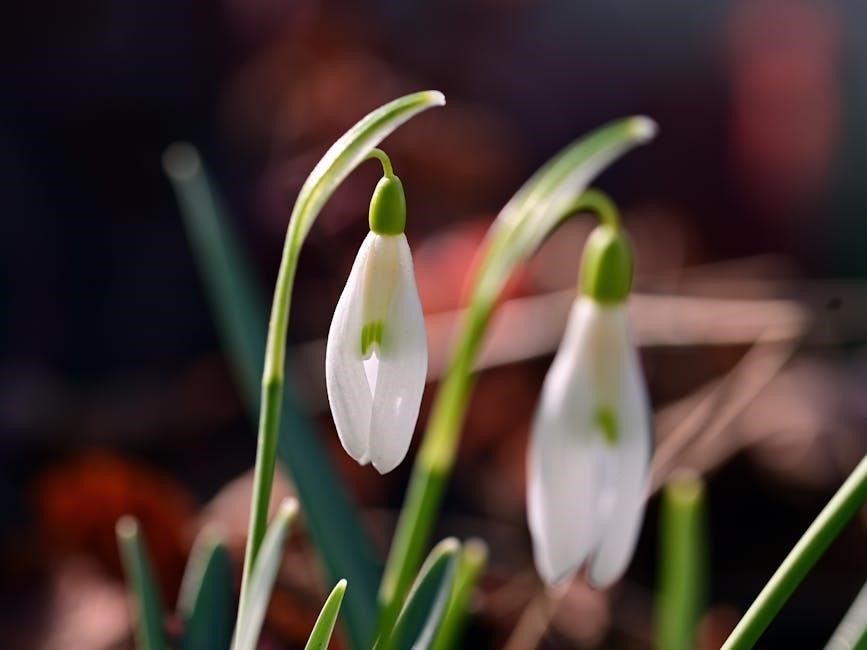
Zone 6 gardeners enjoy a beautiful spring with careful flower selection․ Early bloomers like crocuses and snowdrops signal winter’s end, offering cheerful color as soon as the snow melts․ Following closely are daffodils and tulips, providing vibrant displays in shades of yellow, orange, and purple․
For a longer-lasting spring show, consider hyacinths, known for their fragrant blooms, and pansies, which tolerate cooler temperatures and offer continuous color․ Don’t forget about bleeding hearts, with their unique heart-shaped flowers, and primroses, available in a wide range of colors․
Planting bulbs in the fall is crucial for spring blooms․ Ensure proper drainage and sunlight exposure for optimal growth․ Deadheading spent flowers encourages continued blooming and prevents self-seeding․ A well-planned spring flower garden in Zone 6 creates a delightful and welcoming landscape․
Summer-Blooming Flowers for Zone 6
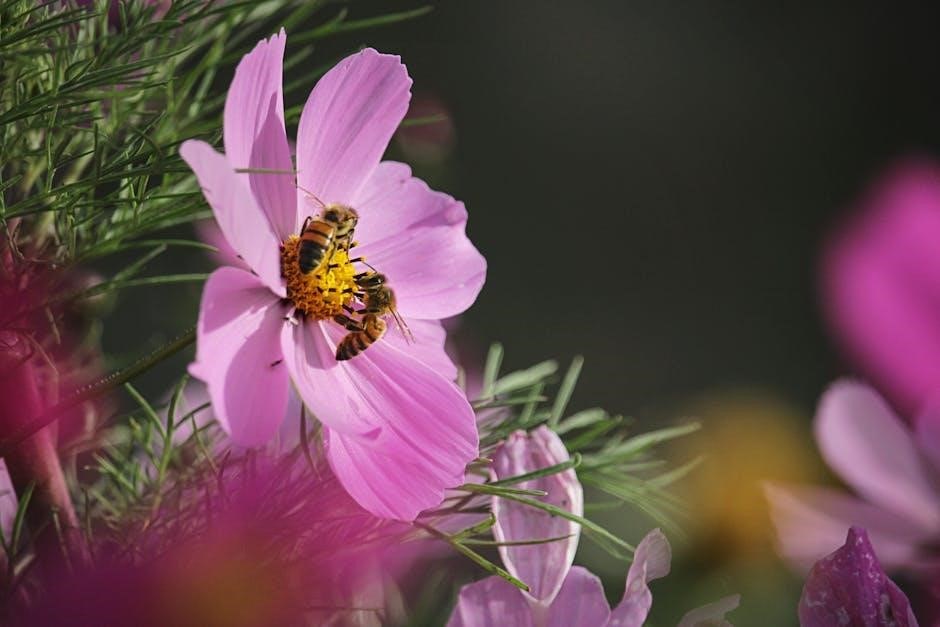
Zone 6 summers burst with color thanks to a diverse range of flowering plants․ Annuals like petunias, marigolds, and zinnias provide continuous blooms throughout the season, offering a wide spectrum of hues and attracting pollinators․ For a more perennial approach, consider daylilies, known for their easy care and abundant flowers․
Coneflowers (Echinacea) are another excellent choice, offering daisy-like blooms in shades of purple, pink, and white․ Black-eyed Susans add a cheerful touch with their golden-yellow petals and dark centers․ Don’t overlook the elegance of hydrangeas, thriving in partial shade and producing large, showy flower clusters․
Regular deadheading encourages prolonged blooming․ Providing adequate water, especially during hot spells, is essential․ Incorporating summer-blooming flowers into your Zone 6 garden creates a vibrant and inviting outdoor space, enjoyed throughout the warm months․

Zone 6 Planting Calendar & Schedule
Zone 6 gardeners benefit greatly from a detailed planting schedule, aligning sowing and transplanting with frost dates for optimal growth and bountiful harvests․
Utilizing a Zone 6 Planting Calendar
A Zone 6 planting calendar is an invaluable tool for successful gardening, providing a structured timeline for sowing seeds, transplanting seedlings, and anticipating harvest times․ These calendars are specifically designed to account for the region’s average last and first frost dates, which are crucial for determining when it’s safe to introduce plants outdoors․
Effective calendar use involves understanding your microclimate – variations within your garden that can affect plant growth․ South-facing walls offer warmth, while low-lying areas may experience frost pockets․ Adjust planting dates accordingly․ Regularly consult your calendar throughout the growing season, noting progress and making adjustments as needed based on weather conditions․
Online resources, like The Old Farmer’s Almanac, offer customizable calendars based on your specific zip code, providing even greater accuracy․ Remember to differentiate between direct sowing (planting seeds directly into the garden) and starting seeds indoors for later transplanting․ A well-utilized calendar minimizes risks and maximizes yields, leading to a thriving Zone 6 garden․
Resources for Zone 6 Gardeners
Numerous resources empower Zone 6 gardeners to cultivate thriving landscapes․ The Old Farmer’s Almanac provides a customizable gardening calendar and guide, tailored to your specific zip code, offering precise planting dates and valuable growing information․ University Extension offices, often affiliated with state universities, deliver research-based advice on local gardening practices, pest control, and soil health․
Online gardening communities and forums connect gardeners across Zone 6, fostering knowledge sharing and problem-solving․ Local nurseries and garden centers offer expert advice, regionally adapted plant varieties, and essential supplies․ Websites dedicated to specific plant types, like berries or fruit trees, provide in-depth cultivation guidance․
Don’t overlook seed catalogs, which often include detailed growing instructions and zone recommendations․ Utilizing these diverse resources ensures access to the latest techniques and support, maximizing your gardening success in Zone 6’s unique climate․