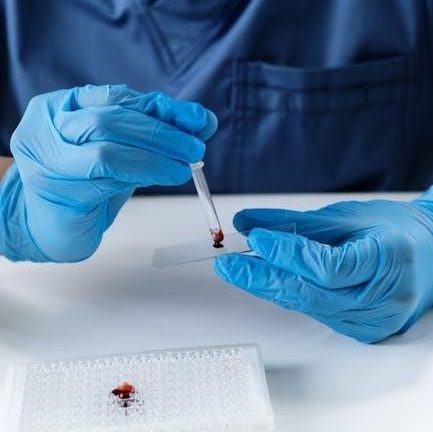
Mosby’s Manual of Diagnostic and Laboratory Tests is a widely utilized, bestselling handbook offering concise, clinically relevant information for various settings.
This comprehensive resource delivers clear coverage of over 700 commonly performed diagnostic and laboratory tests, aiding both students and professionals alike.
It serves as an excellent guide, helping users navigate features and functions effectively, starting a journey of understanding and practical application within healthcare.
Overview and Purpose
Mosby’s Manual of Diagnostic and Laboratory Tests functions as a quick and reliable reference, designed to provide essential information regarding a vast array of diagnostic procedures and laboratory analyses. Its primary purpose is to equip healthcare professionals and students with the knowledge needed to understand the clinical significance of each test.
The manual consolidates crucial details – including test principles, normal value ranges, potential interferences, and clinical interpretations – into a single, accessible volume. This allows for efficient information retrieval at the point of care, supporting informed decision-making.
Furthermore, it aims to bridge the gap between laboratory data and patient care, fostering a deeper understanding of how test results correlate with various medical conditions. By offering concise yet comprehensive coverage, the manual empowers users to confidently interpret and apply laboratory findings in diverse healthcare scenarios.
Target Audience: Students and Professionals
Mosby’s Manual of Diagnostic and Laboratory Tests is intentionally designed to serve a dual audience: healthcare students and practicing professionals. For students in medical technology, nursing, and allied health programs, it provides a foundational understanding of essential laboratory tests and their clinical relevance.
The manual’s clear and concise explanations facilitate learning and comprehension, aiding in coursework and preparing students for clinical rotations. Simultaneously, it functions as a valuable resource for practicing physicians, nurses, medical technicians, and other healthcare providers.
Professionals utilize the manual as a quick reference guide to refresh their knowledge, interpret test results efficiently, and stay current with evolving laboratory practices. Its broad scope and accessibility make it an indispensable tool for anyone involved in diagnostic testing and patient care.

Historical Development & Editions
Mosby’s Manual of Diagnostic and Laboratory Tests has a rich history of evolution, consistently adapting to advancements in the field of laboratory medicine. Initially conceived as a practical guide for medical technologists, it has undergone numerous revisions and expansions over the decades.
Each new edition reflects the latest developments in testing methodologies, quality control procedures, and clinical interpretations. The manual has progressed from a relatively concise handbook to a comprehensive resource encompassing a vast array of diagnostic tests.
The current 10th edition builds upon this legacy, incorporating digital access and online resources to enhance usability. Throughout its various editions, the manual has remained committed to providing accurate, reliable, and accessible information to healthcare professionals and students alike, solidifying its position as a trusted reference.

Core Content of the Manual
Mosby’s Manual meticulously details over 700 diagnostic and laboratory tests, spanning hematology, clinical chemistry, urinalysis, microbiology, and immunology for clarity.
Hematology Tests
Mosby’s Manual provides extensive coverage of hematology tests, crucial for evaluating blood and blood-forming tissues. A cornerstone of this section is the Complete Blood Count (CBC), with detailed interpretation guidance for understanding parameters like red blood cell count, white blood cell count, and platelet levels.
The manual doesn’t stop at simply presenting values; it delves into what deviations from normal ranges might indicate, assisting in differential diagnosis. Furthermore, Blood Smear Analysis receives thorough attention, outlining techniques for microscopic examination to identify cellular abnormalities, infections, and other hematological disorders.
Users will find clear explanations of staining procedures and morphological characteristics, enabling accurate identification of various blood cell types. This section equips both students and professionals with the knowledge to confidently approach and interpret hematological data.
Complete Blood Count (CBC) Interpretation
Mosby’s Manual dedicates significant detail to Complete Blood Count (CBC) Interpretation, recognizing its fundamental role in diagnostic medicine. The manual breaks down each component – red blood cells, white blood cells, and platelets – explaining normal ranges and potential clinical significance of deviations.
It guides users through understanding indices like MCV, MCH, and MCHC, crucial for classifying anemias. The text clarifies how to interpret differential white blood cell counts, identifying potential infections, inflammation, or leukemia.
Furthermore, Mosby’s provides practical guidance on correlating CBC results with patient symptoms and other laboratory findings, aiding in accurate diagnosis. This section empowers healthcare professionals to confidently analyze CBC data and make informed clinical decisions.
Blood Smear Analysis
Mosby’s Manual of Diagnostic and Laboratory Tests provides a detailed exploration of Blood Smear Analysis, a vital technique for evaluating blood cell morphology. The manual emphasizes proper staining techniques and systematic examination procedures for accurate results.
It offers clear descriptions and illustrative images of normal and abnormal blood cell appearances, aiding in the identification of conditions like anemia, leukemia, and infections. Mosby’s guides users in recognizing cellular inclusions, variations in cell size and shape, and the presence of parasites.
The text stresses the importance of correlating smear findings with the CBC and clinical presentation for a comprehensive assessment. This section equips professionals with the skills to perform and interpret blood smears effectively, contributing to precise diagnoses.
Clinical Chemistry Tests
Mosby’s Manual of Diagnostic and Laboratory Tests dedicates a significant portion to Clinical Chemistry Tests, covering a broad spectrum of analytes crucial for disease diagnosis and monitoring. The manual provides concise explanations of test principles, specimen requirements, and potential interferences, ensuring accurate results.
It details procedures for performing various assays and interpreting quantitative data, emphasizing the clinical significance of abnormal values. Mosby’s offers comprehensive coverage of electrolytes, enzymes, proteins, lipids, and glucose, vital for assessing organ function and metabolic status.
This section empowers healthcare professionals with the knowledge to understand and utilize clinical chemistry tests effectively, contributing to informed patient care and precise diagnoses.
Basic Metabolic Panel (BMP) Explained
Mosby’s Manual of Diagnostic and Laboratory Tests provides a detailed explanation of the Basic Metabolic Panel (BMP), a common blood test offering vital insights into a patient’s overall health. The manual breaks down each component – glucose, electrolytes (sodium, potassium, chloride, bicarbonate), blood urea nitrogen (BUN), and creatinine – outlining their normal ranges and clinical significance.
Mosby’s clarifies how deviations from these ranges can indicate conditions like diabetes, kidney disease, or electrolyte imbalances. It explains the interrelationships between these analytes and their impact on bodily functions, aiding in accurate interpretation.
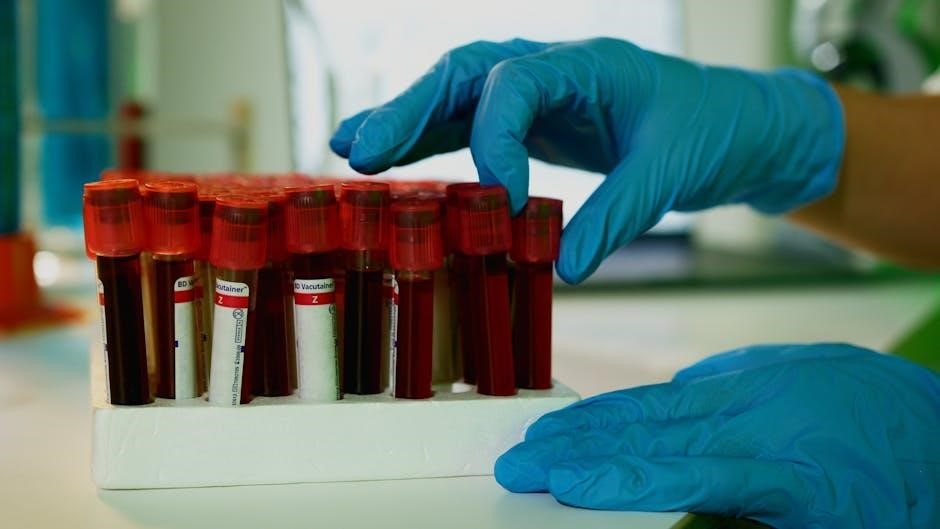
The manual emphasizes the importance of considering the BMP results in conjunction with a patient’s clinical presentation for a comprehensive assessment.
Liver Function Tests (LFTs) – Detailed Breakdown
Mosby’s Manual of Diagnostic and Laboratory Tests delivers a comprehensive breakdown of Liver Function Tests (LFTs), crucial for assessing liver health and identifying potential damage. The manual meticulously details each test – including ALT, AST, alkaline phosphatase (ALP), bilirubin (total and direct), and albumin – explaining their specific roles and clinical relevance.
Mosby’s clarifies how elevated levels of these enzymes can signal liver inflammation, obstruction, or cellular injury, while decreased albumin may indicate chronic liver disease. It emphasizes the importance of interpreting LFTs in context, considering patient history and other diagnostic findings.
The manual aids in differentiating between various liver conditions based on LFT patterns.
Urinalysis
Mosby’s Manual of Diagnostic and Laboratory Tests provides a thorough guide to Urinalysis, a fundamental diagnostic tool in healthcare. The manual details both the macroscopic and microscopic examination components, crucial for identifying a wide range of conditions. It explains how to assess urine color, clarity, and odor, noting their potential clinical significance.
Mosby’s meticulously outlines the microscopic examination of urine sediment, detailing the identification of cells (red blood cells, white blood cells, epithelial cells), casts, crystals, and bacteria.
The manual emphasizes the importance of correlating urinalysis findings with other clinical data for accurate diagnosis, aiding in the detection of urinary tract infections, kidney disease, and metabolic disorders.
Macroscopic Examination of Urine
Mosby’s Manual of Diagnostic and Laboratory Tests comprehensively covers the Macroscopic Examination of Urine, the initial step in urinalysis. This involves assessing key physical characteristics, providing vital clues to a patient’s health status. The manual details the evaluation of urine color, ranging from pale yellow to dark amber, and its correlation with hydration levels and potential pathologies.
Mosby’s explains how to determine urine clarity – whether it’s clear, cloudy, or turbid – and the possible causes of turbidity, such as the presence of bacteria, crystals, or cells.
Furthermore, the manual guides users in identifying urine odor, noting variations that may indicate infection or metabolic disturbances, offering a foundational understanding for further investigation.
Microscopic Examination of Urine Sediment
Mosby’s Manual of Diagnostic and Laboratory Tests provides detailed guidance on the Microscopic Examination of Urine Sediment, a crucial component of urinalysis. This process involves analyzing the formed elements present after centrifuging a urine sample, revealing valuable diagnostic information.
Mosby’s meticulously outlines the identification of red blood cells, white blood cells, and epithelial cells, detailing their significance in various disease states. The manual also covers the recognition of casts – cylindrical structures formed in the renal tubules – and their association with specific kidney disorders.
Furthermore, it aids in identifying crystals, bacteria, and parasites, offering a comprehensive approach to interpreting microscopic findings and contributing to accurate diagnoses.
Microbiology Tests
Mosby’s Manual of Diagnostic and Laboratory Tests dedicates a significant section to Microbiology Tests, essential for identifying infectious agents. The manual provides comprehensive coverage of techniques used to diagnose bacterial, viral, and fungal infections, crucial for guiding appropriate treatment strategies.
Mosby’s details procedures like Bacterial Culture and Sensitivity, explaining how to isolate and identify pathogens, and determine their susceptibility to various antibiotics. It also thoroughly describes the Gram Staining Technique, a fundamental method for classifying bacteria based on their cell wall structure.
This section equips professionals with the knowledge to accurately interpret microbiology results, contributing to effective patient care and infection control practices.
Bacterial Culture and Sensitivity
Mosby’s Manual of Diagnostic and Laboratory Tests provides detailed guidance on Bacterial Culture and Sensitivity, a cornerstone of microbiology. This process involves cultivating bacteria from a clinical sample to identify the causative agent of an infection.
The manual explains the proper collection techniques, appropriate transport media, and incubation conditions for optimal growth. Crucially, Mosby’s details how to perform antibiotic susceptibility testing, determining which drugs will effectively inhibit or kill the isolated bacteria.
Understanding these results is vital for clinicians to select the most appropriate antibiotic therapy, minimizing resistance and maximizing patient outcomes. The manual offers clear interpretations of sensitivity reports, aiding in informed treatment decisions.
Gram Staining Technique
Mosby’s Manual of Diagnostic and Laboratory Tests comprehensively covers the Gram Staining Technique, a fundamental procedure in microbiology for bacterial identification. This differential staining method categorizes bacteria into two main groups: Gram-positive and Gram-negative, based on their cell wall structure.
The manual meticulously outlines each step of the process – primary stain (crystal violet), mordant (Gram’s iodine), decolorizer (alcohol or acetone), and counterstain (safranin) – emphasizing proper technique for accurate results;
Mosby’s provides detailed visual aids and interpretive guidance, enabling users to correctly identify bacterial morphology (shape) and Gram reaction, crucial for guiding initial antibiotic choices and further diagnostic testing.
Immunology Tests
Mosby’s Manual of Diagnostic and Laboratory Tests dedicates a significant section to Immunology Tests, vital for diagnosing and monitoring immune-related disorders and infections. This section details the principles behind antigen-antibody reactions, the foundation of many immunological assays.
The manual provides in-depth explanations of key techniques like ELISA (Enzyme-Linked Immunosorbent Assay) and Western Blot, outlining their methodologies, clinical applications, and result interpretation.
Mosby’s clarifies the nuances of these complex tests, covering topics such as antibody titers, immunodeficiency diagnosis, and autoimmune disease screening, offering a comprehensive resource for both students and practicing professionals in the clinical laboratory.
Antigen-Antibody Reactions
Mosby’s Manual of Diagnostic and Laboratory Tests thoroughly explains antigen-antibody reactions, the core principle underpinning numerous immunological assays. The manual details how antibodies specifically bind to antigens, forming complexes crucial for identifying foreign substances and triggering immune responses.
It clarifies different types of reactions – agglutination, precipitation, neutralization – and their clinical significance. Mosby’s elucidates the factors influencing reaction strength, including antibody affinity, antigen concentration, and temperature.
Understanding these reactions is fundamental for interpreting immunological test results accurately, aiding in the diagnosis of infections, autoimmune diseases, and immune deficiencies. The manual provides a clear, concise overview for both students and experienced professionals.

Immunological Assays (ELISA, Western Blot)
Mosby’s Manual of Diagnostic and Laboratory Tests provides detailed explanations of key immunological assays, including ELISA (Enzyme-Linked Immunosorbent Assay) and Western Blot. It breaks down the principles behind each technique, outlining their specific applications in detecting and quantifying antigens or antibodies.
For ELISA, the manual clarifies the different formats – direct, indirect, sandwich – and their respective advantages. Regarding Western Blot, Mosby’s details the process of protein separation, transfer, and antibody probing, crucial for identifying specific proteins.
The manual emphasizes proper interpretation of results, including understanding positive and negative controls, and potential sources of error. This comprehensive coverage equips users with the knowledge to confidently perform and analyze these vital immunological tests.
Using the Manual Effectively
Mosby’s Manual empowers users to confidently interpret test results by understanding normal ranges, contextualizing findings, and cross-referencing tests with associated conditions.
Understanding Normal Values & Ranges
Mosby’s Manual of Diagnostic and Laboratory Tests emphasizes the critical importance of understanding normal values and reference ranges when interpreting laboratory results. These values aren’t absolute; they can vary slightly based on factors like age, sex, population, and the specific laboratory methodology employed.
The manual provides these ranges for each test, but stresses that clinicians must consider the individual patient’s clinical picture. Deviations from the normal range don’t automatically indicate disease; they signal a need for further investigation.
Understanding the limitations of reference intervals, recognizing potential sources of error, and correlating lab findings with patient history and physical examination are all crucial skills facilitated by the manual’s detailed information. Proper interpretation requires a holistic approach, and Mosby’s aids in achieving this.
Interpreting Test Results in Context
Mosby’s Manual of Diagnostic and Laboratory Tests consistently highlights that isolated test results are rarely diagnostic in themselves. Accurate interpretation demands a comprehensive understanding of the patient’s overall clinical presentation, including medical history, physical examination findings, and any concurrent medications.
The manual encourages clinicians to avoid focusing solely on out-of-range values, instead emphasizing the pattern of results across multiple tests. Consideration of pre-analytical, analytical, and post-analytical factors is also vital to minimize misinterpretation.
Mosby’s supports this contextual approach by facilitating cross-referencing between tests and potential conditions, aiding in differential diagnosis and informed clinical decision-making. It’s a tool for enhancing, not replacing, clinical judgment.
Cross-Referencing Tests & Conditions
Mosby’s Manual of Diagnostic and Laboratory Tests excels in its ability to facilitate the crucial process of cross-referencing. The manual doesn’t present tests in isolation; instead, it actively links specific test results to a range of potential associated conditions and diseases.
This feature is invaluable for clinicians, enabling a more holistic approach to diagnosis and aiding in the development of differential diagnoses. By quickly identifying potential connections, healthcare professionals can streamline their investigative process.
Mosby’s supports informed clinical decision-making by providing a readily accessible resource for understanding how abnormal test results might correlate with various clinical scenarios, ultimately improving patient care.

Advanced Features & Updates (10th Edition)
Mosby’s 10th edition boasts digital access, new tests, and procedures, reflecting current clinical practice for enhanced learning and practical application.
Digital Access and Online Resources
Mosby’s Manual of Diagnostic and Laboratory Tests, 10th Edition, significantly expands accessibility through robust digital resources. Users gain convenient access to the complete content online, enabling study and reference from various devices – computers, tablets, and smartphones.
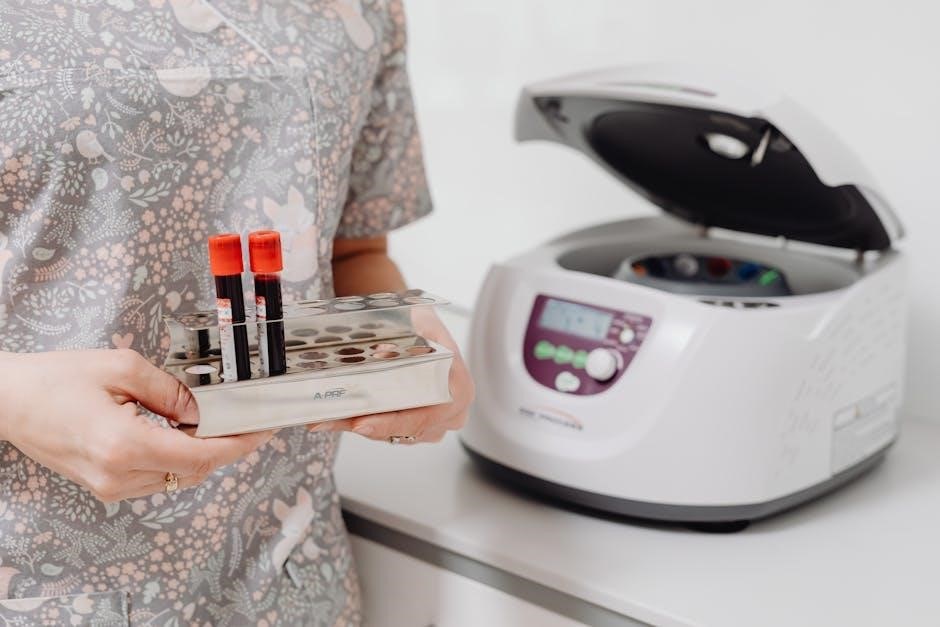
This digital platform enhances the learning experience with interactive features, including a comprehensive search function to quickly locate specific tests or information. Furthermore, the online version is regularly updated to reflect the latest advancements in diagnostic testing and laboratory procedures, ensuring users have access to the most current knowledge.
Supplementary materials, such as practice quizzes and case studies, are also available online, reinforcing understanding and promoting critical thinking skills. The integration of digital tools transforms the manual from a static reference into a dynamic and engaging learning resource, perfectly suited for modern healthcare education and practice.

New Tests and Procedures Included
The 10th edition of Mosby’s Manual of Diagnostic and Laboratory Tests incorporates a substantial number of new tests and procedures, reflecting the rapidly evolving landscape of medical diagnostics. This update ensures the manual remains a current and reliable resource for healthcare professionals and students.
Recent additions encompass cutting-edge molecular diagnostic assays, advanced immunological techniques, and novel biomarkers utilized in disease detection and monitoring. Detailed coverage is provided for emerging infectious disease testing protocols, addressing current public health concerns.
Furthermore, the manual includes expanded sections on point-of-care testing (POCT), highlighting its increasing role in immediate patient assessment. These additions, combined with revised existing content, solidify the manual’s position as a comprehensive and indispensable guide to modern laboratory medicine.
Updates Reflecting Current Clinical Practice
Mosby’s Manual of Diagnostic and Laboratory Tests, 10th Edition, demonstrates a strong commitment to mirroring contemporary clinical practice. Updates throughout the manual align with the latest evidence-based guidelines and standardized laboratory procedures, ensuring accuracy and relevance for users.
Revisions incorporate advancements in test methodologies, quality control measures, and interpretation criteria. The content reflects current recommendations from professional organizations like CLSI (Clinical and Laboratory Standards Institute), promoting best practices in the field.
Emphasis is placed on personalized medicine approaches, with updated information on genetic testing and pharmacogenomics. These enhancements guarantee the manual remains a vital tool for informed decision-making and optimal patient care in today’s dynamic healthcare environment.