
Fit Over 40 Meal Plan PDF: A Comprehensive Guide
Discover a 7-day menopause meal plan, designed for women over 40, focusing on hormone-friendly eating and tackling stubborn belly weight without extreme dieting.
Understanding Nutritional Needs After 40
As we age, our bodies undergo significant changes impacting nutritional requirements. After 40, metabolism naturally slows, meaning fewer calories are needed to maintain weight. However, nutrient density becomes paramount. Prioritizing protein intake is crucial for preserving muscle mass, which declines with age, impacting strength and metabolic rate.
Furthermore, hormonal shifts – like perimenopause and andropause – influence how the body processes nutrients. Women experiencing menopause may benefit from calcium and vitamin D to support bone health, while both men and women require adequate fiber for digestive health and stable blood sugar levels. A well-structured meal plan acknowledges these changes, focusing on whole, unprocessed foods to optimize health and vitality beyond simply calorie restriction.
The Impact of Age on Metabolism
Metabolism naturally declines with age, starting around 30 and becoming more noticeable after 40. This slowdown isn’t about a dramatic shift, but a gradual reduction in the body’s ability to efficiently convert food into energy. Muscle mass plays a key role; as we lose muscle, metabolic rate decreases because muscle tissue burns more calories at rest than fat tissue.
Consequently, maintaining a healthy weight becomes more challenging. The body may also become less efficient at processing carbohydrates, leading to increased fat storage. A fit-over-40 meal plan addresses this by emphasizing protein to preserve muscle, incorporating complex carbohydrates for sustained energy, and prioritizing nutrient-dense foods to maximize metabolic function despite the age-related changes.
Hormonal Changes and Diet (Menopause/Andropause)
Hormonal shifts significantly impact metabolism and body composition after 40. For women entering menopause, declining estrogen levels can lead to weight gain, particularly around the abdomen, and increased risk of metabolic syndrome. A tailored diet can help mitigate these effects by incorporating phytoestrogens – plant compounds that mimic estrogen – found in foods like soy and flaxseeds.
Men experience andropause, a gradual decline in testosterone, which can also contribute to muscle loss and weight gain. Both genders benefit from a diet rich in protein to support muscle maintenance, healthy fats for hormone production, and fiber for digestive health. A fit-over-40 meal plan prioritizes these elements to navigate hormonal changes effectively.
Sample 7-Day Meal Plan for Women Over 40
Explore a detailed 7-day plan, designed to address hormonal changes, boost energy, and support weight management for women navigating their forties and beyond.
Day 1: Hormone-Friendly Breakfast & Lunch

Begin your journey with a focus on stabilizing hormones through nutrition. For breakfast, consider eggs on sprouted grain toast paired with a serving of fruit – a combination providing protein and complex carbohydrates for sustained energy. This sets a positive tone for the day, supporting hormonal balance.
Lunch should be a balanced meal incorporating lean protein, complex carbohydrates, and healthy fats. Think a salad with grilled chicken or fish, quinoa, and avocado. This combination aids in satiety and provides essential nutrients. Prioritize foods rich in phytoestrogens, like flaxseeds or soy, to gently support estrogen levels during perimenopause and menopause. Remember to stay hydrated throughout the day, as water plays a crucial role in overall health and hormonal function.
Day 2: Focusing on Lean Protein & Fiber
Today’s emphasis is on building and maintaining muscle mass with lean protein, coupled with fiber for digestive health and sustained fullness. Include sources like chicken breast, fish, beans, or lentils in your meals. Fiber-rich foods, such as vegetables, fruits, and whole grains, are essential for regulating blood sugar levels and promoting gut health, both crucial as we age.
A sample lunch could be a large salad with grilled salmon, mixed greens, and a variety of colorful vegetables. For dinner, consider a lentil soup with a side of whole-grain bread. Prioritize protein intake to combat age-related muscle loss and ensure adequate fiber to support a healthy digestive system. This combination will help you feel energized and satisfied throughout the day.
Day 3: Incorporating Healthy Fats
Today, we shift focus to the vital role of healthy fats in supporting hormonal balance and overall well-being after 40. Incorporate sources like avocados, nuts, seeds, and olive oil into your diet. These fats are crucial for brain health, reducing inflammation, and aiding in nutrient absorption.
A breakfast option could include Greek yogurt with berries and a sprinkle of chia seeds. For lunch, a salad with avocado and a light olive oil dressing is ideal. Dinner might feature baked salmon with roasted vegetables drizzled with olive oil. Remember, moderation is key; while healthy fats are beneficial, they are calorie-dense. Prioritize quality over quantity for optimal results.
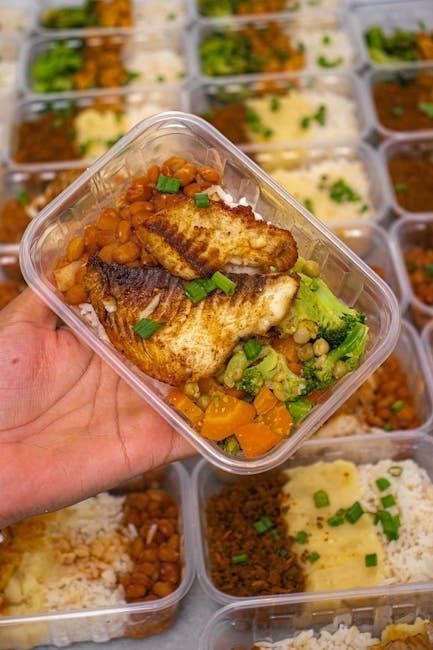
Day 4: Managing Stubborn Belly Weight
Today’s focus is tackling that frustrating belly fat, common after 40 due to hormonal shifts and decreased metabolism. This requires a strategic approach combining diet and mindful eating. Prioritize lean protein sources like chicken, fish, and beans to promote satiety and muscle maintenance.
Reduce processed foods, sugary drinks, and excessive carbohydrates. A sample day could start with eggs and spinach, followed by a turkey breast salad for lunch. Dinner might be grilled chicken with steamed broccoli. Incorporate fiber-rich foods to aid digestion and keep you feeling full. Remember, consistency is key; small, sustainable changes yield the best long-term results in managing stubborn weight.
Day 5: Boosting Energy Levels Through Nutrition
Today we concentrate on revitalizing your energy levels through targeted nutrition. Fatigue is a common complaint over 40, often linked to nutrient deficiencies and hormonal imbalances. Begin with a breakfast rich in complex carbohydrates and protein – think oatmeal with berries and a scoop of protein powder.
Throughout the day, prioritize frequent, smaller meals (5-6) to maintain stable blood sugar levels. Include healthy fats like avocado and nuts for sustained energy. Ensure adequate hydration by drinking plenty of water. Minimize processed foods and sugary snacks, which cause energy crashes. A balanced diet, coupled with regular exercise, is crucial for combating fatigue and enhancing vitality.
Day 6: 1500 Calorie Meal Plan Example
Today’s focus is a practical 1500-calorie meal plan, offering a balanced approach to weight management and nutrition. Breakfast features eggs on Ezekiel sprouted grain toast with a side of fruit – providing approximately 15g of protein and complex carbohydrates. Lunch should be a balanced meal incorporating lean protein (chicken or fish), complex carbs (quinoa or sweet potato), and plenty of vegetables.
Dinner continues with lean protein and a generous serving of non-starchy vegetables. This plan emphasizes 40% protein, 40% carbohydrates, and 20% healthy fats. Remember meal prep is key for success! This is a sample; adjust portion sizes based on your individual needs and activity level. A printable version is often included in PDF resources.
Breakfast: Eggs on Toast & Fruit
Starting your day with eggs on toast and fruit provides a fantastic nutritional foundation. Utilizing Ezekiel sprouted grain bread (one slice) offers complex carbohydrates and fiber, promoting sustained energy levels. Pairing this with eggs delivers a substantial protein boost, crucial for muscle maintenance and satiety. Approximately 15 grams of protein are included in this breakfast option.
Complement this with a half-cup serving of your favorite fruit – berries, banana slices, or an apple are excellent choices. This adds essential vitamins, minerals, and antioxidants. This breakfast totals around 80 calories from the bread, 0.50 from the eggs, and provides a balanced start to your day, fitting seamlessly into a 1500-calorie plan.
Lunch: Balanced Meal with Complex Carbs
A truly balanced lunch is pivotal for maintaining energy and supporting metabolic function throughout the afternoon. Focus on incorporating lean protein sources – grilled chicken, fish, or tofu are excellent options – alongside a generous serving of complex carbohydrates. These carbs, like quinoa, brown rice, or sweet potatoes, provide sustained energy release, preventing energy crashes.
Don’t forget to include a colorful array of non-starchy vegetables, such as broccoli, spinach, or bell peppers, to maximize nutrient intake and fiber consumption. This combination ensures a satisfying and nourishing meal, contributing significantly to overall health and weight management goals. Prioritize portion control to align with your daily calorie targets.
Dinner: Lean Protein & Vegetables
Dinner should prioritize lean protein to support muscle maintenance and repair, crucial as we age. Excellent choices include baked salmon, grilled chicken breast, turkey, or even plant-based proteins like lentils or chickpeas. Pair this protein source with a substantial serving of non-starchy vegetables – think broccoli, asparagus, spinach, or Brussels sprouts – to maximize nutrient density and fiber intake.
Minimize processed carbohydrates and heavy sauces at dinner, as these can hinder sleep quality and contribute to weight gain. Opt for simple seasonings and healthy cooking methods like baking, grilling, or steaming. A well-balanced dinner sets the stage for restful sleep and supports overall metabolic health, contributing to long-term well-being.

Meal Planning Strategies for Busy Individuals

Meal prep is essential, alongside creating a printable shopping list, and embracing the benefits of 5-6 smaller, frequent meals throughout the day.
The Importance of Meal Prep
For individuals navigating life after 40, especially busy moms, meal preparation becomes absolutely crucial for success with any dietary plan. It’s not simply about saving time, though that’s a significant benefit; it’s about proactively controlling your nutritional intake and avoiding impulsive, less healthy choices when life gets hectic.
Dedicated meal prep sessions, even just for a few hours each week, allow you to portion out meals, ensuring adherence to calorie goals and macronutrient ratios. This is particularly important when aiming for a 1500 calorie plan or focusing on specific needs like hormone balance during menopause.
Prepping ingredients – chopping vegetables, cooking grains, and portioning proteins – streamlines the cooking process during the week. Having pre-made meals or components readily available minimizes the temptation to opt for convenient, processed foods. Ultimately, consistent meal prep empowers you to prioritize your health, even amidst a demanding schedule.
Creating a Printable Shopping List
A well-organized shopping list is the cornerstone of successful meal planning, especially when following a specific diet like a “fit over 40” plan. Rather than wandering aimlessly through the grocery store, a pre-made list ensures you purchase only the ingredients needed for your planned meals, minimizing impulse buys and wasted food.
Utilize the sample shopping lists often provided with PDF meal plans as a starting point. These lists typically include a variety of healthy foods, offering a foundation for balanced nutrition.
Customize the list based on your chosen recipes and dietary preferences. Categorize items by grocery store section (produce, protein, dairy, etc.) for efficient shopping. A printable format allows for easy checking off as you shop, guaranteeing you don’t forget essential components for your hormone-friendly or energy-boosting meals.
Frequency of Meals: 5-6 Smaller Meals
For individuals over 40, particularly those aiming for weight management and stable energy levels, adopting a pattern of 5-6 smaller meals throughout the day can be significantly more beneficial than traditional three larger meals. This approach helps maintain consistent blood sugar levels, preventing energy crashes and reducing cravings.
Research suggests that frequent eating supports a healthier metabolism, aiding in efficient nutrient absorption and utilization. Smaller, balanced meals, incorporating lean protein, complex carbohydrates, and healthy fats, keep you feeling fuller for longer, naturally controlling portion sizes.
Integrating this strategy into your “fit over 40” meal plan PDF ensures a steady stream of nutrients, supporting hormonal balance and overall well-being. It’s a practical method for busy lifestyles, promoting consistent nourishment without overwhelming the digestive system.

Key Nutrients for Individuals Over 40
Prioritize protein intake, fiber for digestive health, and essential vitamins/minerals; these are crucial for maintaining vitality and supporting age-related physiological changes.

Protein Intake Recommendations
Adequate protein is paramount as we age, combating muscle loss and supporting metabolic function. For individuals over 40, aiming for a slightly higher intake than younger adults is often beneficial. While the Recommended Dietary Allowance (RDA) is 0.8 grams per kilogram of body weight, many experts suggest 1.0 to 1.2 grams per kilogram, especially for those engaging in regular physical activity.
Focus on lean protein sources like poultry, fish, beans, lentils, and tofu. Incorporating protein into every meal – even breakfast – can help promote satiety and stabilize blood sugar levels. A 1500-calorie meal plan, for example, should strategically distribute protein throughout the day, ensuring consistent amino acid delivery to muscles. Remember, protein needs are individual and can vary based on activity level, health status, and personal goals.
Consider consulting with a registered dietitian to determine your optimal protein intake.
Fiber’s Role in Digestive Health

As we age, digestive health often becomes a concern, and fiber plays a crucial role in maintaining regularity and overall gut wellness. A diet rich in fiber promotes healthy bowel movements, preventing constipation – a common issue for those over 40. Fiber also acts as a prebiotic, nourishing beneficial gut bacteria, which are vital for immune function and nutrient absorption.
Aim for at least 25-30 grams of fiber daily, incorporating sources like fruits, vegetables, whole grains (Ezekiel bread is a good example), and legumes into your meal plan. A 7-day meal plan should prioritize fiber-rich foods in each meal. Remember to increase fiber intake gradually to avoid bloating and discomfort, and drink plenty of water to aid digestion.
Prioritizing fiber supports a healthier gut and improved well-being.
Essential Vitamins and Minerals
Individuals over 40 have unique nutritional needs, and certain vitamins and minerals become particularly important. Vitamin D is crucial for bone health, often declining with age, and supplementation may be necessary. Calcium also supports bone density, working synergistically with Vitamin D. B vitamins, especially B12, are vital for energy production and nerve function, with absorption potentially decreasing as we age.
Magnesium plays a role in numerous bodily functions, including muscle and nerve function, and blood sugar control. Potassium helps maintain healthy blood pressure. A well-structured meal plan should incorporate foods rich in these nutrients, or consider targeted supplementation after consulting a healthcare professional.
Prioritizing these essentials supports optimal health and vitality.

Downloading and Utilizing a PDF Meal Plan
Access instant download PDFs for simple meals, clear structure, and realistic guidance tailored for perimenopause and menopause, enabling personalized and effective dietary changes.
Finding Reliable PDF Resources
Locating trustworthy PDF resources requires careful consideration. Many websites offer downloadable meal plans, but verifying their credibility is crucial. Look for plans created by registered dietitians or certified nutritionists specializing in women’s health or hormonal changes.
Prioritize resources that emphasize balanced nutrition, incorporating lean proteins, complex carbohydrates, and healthy fats. Be wary of plans promoting restrictive diets or quick fixes, as these are often unsustainable and potentially harmful. Check for sources that provide clear meal structures, realistic guidance, and customizable options to suit individual needs.
Reputable websites often feature author credentials, scientific backing, and positive user testimonials. Downloading a sample page or reviewing the plan’s overview before committing to the full PDF can help assess its quality and relevance. Remember to always consult with your healthcare provider before starting any new diet or meal plan.
Customizing the Plan to Your Needs
A pre-made PDF meal plan serves as a fantastic starting point, but personalization is key for long-term success. Consider your individual dietary preferences, allergies, and activity level when adapting the plan. Don’t hesitate to swap out ingredients for similar alternatives you enjoy, ensuring nutritional equivalence.
Adjust portion sizes based on your calorie needs and weight management goals. If you have specific health conditions, such as diabetes or heart disease, consult with a healthcare professional to modify the plan accordingly. Pay attention to how your body responds and make adjustments as needed.
Remember, flexibility is crucial. Life happens, and sticking rigidly to a plan can be discouraging. Allow for occasional treats and deviations while maintaining a focus on overall healthy eating habits. Tailoring the plan to your lifestyle increases adherence and maximizes results.
Tracking Progress and Making Adjustments
Consistent monitoring is vital when following any meal plan. Keep a food journal to record your intake, noting how different meals make you feel – energy levels, digestion, and overall well-being. Regularly weigh yourself, but also consider tracking non-scale victories like improved sleep or increased energy.

Analyze your progress weekly. Are you seeing the desired results? If not, don’t be afraid to make adjustments. Perhaps you need to increase protein intake, reduce carbohydrate portions, or incorporate more healthy fats. Small, incremental changes can make a significant difference.
Remember, plateaus are normal. Don’t get discouraged! Re-evaluate your activity level and ensure you’re staying hydrated. A PDF meal plan is a tool, not a rigid rulebook. Adapt it to your evolving needs and celebrate your achievements along the way.