
Mental health medications are vital tools‚ and a list of mental health medications PDF from sources like Pharmaceutical Press offers accessible information.
These resources‚ including images detailing medication types‚ empower individuals seeking understanding‚ while Ellie Mental Health provides further support and clarity.
Accessing a comprehensive PDF guide aids informed discussions with healthcare professionals‚ fostering better treatment outcomes and overall well-being.
What are Mental Health Medications?
Mental health medications are pharmacological agents used to treat a wide range of mental health conditions‚ impacting emotional regulation‚ thought patterns‚ and behavior. A list of mental health medications PDF serves as a valuable resource‚ offering a consolidated overview of available treatments. These medications aim to correct imbalances in brain chemistry‚ often involving neurotransmitters like serotonin and dopamine.
Pharmaceutical Press resources‚ including visual guides like those found on their website‚ illustrate the diverse categories – antidepressants‚ anti-anxiety drugs‚ mood stabilizers‚ antipsychotics‚ and ADHD medications. Accessing a PDF detailing these classifications is crucial for understanding treatment options;
Such documents often include information on drug mechanisms‚ potential side effects‚ and interactions. Ellie Mental Health also contributes to understanding these complex treatments. A well-structured PDF empowers patients to engage in informed conversations with their healthcare providers‚ leading to personalized and effective care plans. It’s a foundational step towards proactive mental wellness.
The Importance of a PDF Resource
A readily accessible list of mental health medications PDF is paramount for several reasons. It centralizes crucial information‚ offering a convenient and portable reference point for patients‚ caregivers‚ and healthcare professionals. Resources like those from Pharmaceutical Press provide organized details on various medications‚ including their uses and potential effects‚ often accompanied by helpful visuals.
Having a PDF allows for offline access‚ ensuring information is available regardless of internet connectivity. It facilitates thorough review and preparation for appointments‚ enabling more productive discussions with doctors.
Furthermore‚ a PDF supports informed decision-making‚ empowering individuals to understand their treatment options better. Ellie Mental Health complements these resources with additional support. A downloadable PDF promotes patient autonomy and contributes to a more collaborative healthcare experience‚ fostering trust and improved mental wellbeing.

Types of Mental Health Medications
Mental health medications encompass diverse categories – antidepressants‚ anti-anxiety drugs‚ mood stabilizers‚ and antipsychotics – detailed in PDF resources.
Understanding these classifications‚ as shown by Pharmaceutical Press‚ is key.
Antidepressants
Antidepressants are frequently prescribed medications used to treat depression and other mental health conditions‚ and comprehensive PDF guides‚ like those offered by Pharmaceutical Press‚ are invaluable resources.
These guides categorize antidepressants into several classes‚ including Selective Serotonin Reuptake Inhibitors (SSRIs)‚ Serotonin-Norepinephrine Reuptake Inhibitors (SNRIs)‚ and older Tricyclic Antidepressants (TCAs). Each class works differently to regulate neurotransmitters in the brain‚ impacting mood and emotions.
A well-structured PDF will detail the specific mechanisms of action for each type‚ potential side effects‚ and important considerations for use. Accessing this information empowers patients to engage in informed discussions with their healthcare providers. Understanding the nuances of each antidepressant class‚ as visually represented in some PDF materials‚ is crucial for personalized treatment plans.
Furthermore‚ these resources often highlight the importance of adhering to prescribed dosages and monitoring for any adverse reactions‚ ensuring safe and effective treatment.
Selective Serotonin Reuptake Inhibitors (SSRIs)
Selective Serotonin Reuptake Inhibitors (SSRIs) represent a common first-line treatment for depression‚ anxiety disorders‚ and related conditions‚ and detailed information is often available in mental health medications PDF resources.
These medications function by blocking the reabsorption of serotonin in the brain‚ increasing its availability to regulate mood. Pharmaceutical Press PDF guides typically outline specific SSRI medications‚ their common dosages‚ and potential side effects like nausea‚ insomnia‚ or sexual dysfunction.
A comprehensive PDF will also address important considerations‚ such as potential interactions with other medications and the importance of consistent use for optimal results. Understanding the specific properties of each SSRI‚ as presented in these resources‚ allows for a more tailored treatment approach.

Patients can utilize these PDF guides to prepare informed questions for their doctors‚ fostering a collaborative approach to mental healthcare.
Serotonin-Norepinephrine Reuptake Inhibitors (SNRIs)
Serotonin-Norepinephrine Reuptake Inhibitors (SNRIs) are a class of antidepressants that work by increasing the levels of both serotonin and norepinephrine in the brain‚ offering a broader approach than SSRIs. Information regarding SNRIs is frequently included in comprehensive mental health medications PDF guides.
These PDF resources‚ such as those from Pharmaceutical Press‚ detail how SNRIs are often prescribed for conditions like depression‚ anxiety‚ chronic pain‚ and fibromyalgia. They outline potential side effects‚ which can include increased blood pressure‚ dry mouth‚ and digestive issues.
A well-structured PDF will also highlight the importance of monitoring blood pressure while taking SNRIs and potential interactions with other medications. Understanding the nuances of each SNRI‚ as presented in these guides‚ empowers patients to engage in informed discussions with their healthcare providers.
Accessing this information promotes a collaborative and effective treatment plan.
Tricyclic Antidepressants (TCAs)
Tricyclic Antidepressants (TCAs) represent an older class of antidepressants‚ though still utilized in specific cases. Detailed information about TCAs is often found within extensive mental health medications PDF documents‚ providing a historical context alongside newer treatments.
These PDF resources‚ like those available from Pharmaceutical Press‚ explain how TCAs work by blocking the reabsorption of serotonin and norepinephrine‚ but they generally have more side effects compared to newer antidepressants. Common side effects include dry mouth‚ constipation‚ blurred vision‚ and dizziness.
A comprehensive PDF guide will emphasize the importance of careful monitoring due to the potential for cardiac side effects and interactions with other medications. Understanding the specific TCAs‚ their dosages‚ and potential risks‚ as outlined in these resources‚ is crucial for informed patient care.
Access to this information supports collaborative decision-making with healthcare professionals.
Anti-Anxiety Medications
Anti-anxiety medications are frequently detailed within comprehensive mental health medications PDF guides‚ offering insights into managing anxiety disorders. These PDF resources‚ often sourced from pharmaceutical organizations like Pharmaceutical Press‚ categorize medications based on their mechanisms and intended use.
Information within these documents highlights that anti-anxiety drugs aim to reduce feelings of worry‚ fear‚ and panic. They encompass various classes‚ including benzodiazepines and non-benzodiazepine options like buspirone. A detailed PDF will outline the differences in onset of action‚ potential for dependence‚ and common side effects.
Understanding the nuances of each medication‚ as presented in these guides‚ is vital for patients and healthcare providers. Accessing this information empowers informed discussions about treatment plans and potential risks‚ ensuring responsible medication management.
Ellie Mental Health resources can supplement this knowledge.
Benzodiazepines

Benzodiazepines are a class of anti-anxiety medications frequently listed and described within detailed mental health medications PDF resources. These PDF guides‚ such as those from Pharmaceutical Press‚ outline their use in managing acute anxiety‚ panic disorders‚ and sometimes‚ insomnia.
Information within these documents emphasizes that benzodiazepines work by enhancing the effects of GABA‚ a neurotransmitter that reduces neuronal excitability. However‚ PDF resources also clearly state the potential for dependence and withdrawal symptoms with prolonged use. They detail common side effects like drowsiness‚ dizziness‚ and impaired coordination.
A comprehensive PDF will also highlight the importance of careful dosage titration and monitoring by a healthcare professional. Understanding these considerations‚ as presented in these guides‚ is crucial for safe and effective use. Ellie Mental Health resources can offer additional support and information.
Buspirone
Buspirone is an anti-anxiety medication often detailed in comprehensive mental health medications PDF guides. Unlike benzodiazepines‚ these PDF resources from sources like Pharmaceutical Press explain that buspirone doesn’t produce the same level of sedation and carries a lower risk of dependence.
Information within these documents clarifies that buspirone’s mechanism of action differs‚ primarily affecting serotonin receptors. PDFs will typically outline its use for generalized anxiety disorder‚ noting it requires consistent daily use for several weeks to achieve full therapeutic effect.
These guides also detail potential side effects‚ which are generally mild and may include dizziness‚ nausea‚ or headache. A well-structured PDF will emphasize the importance of discussing potential interactions with other medications with a healthcare provider. Resources like Ellie Mental Health can supplement this information‚ offering further clarity and support.
Mood Stabilizers
Mood stabilizers are crucial in managing conditions like bipolar disorder‚ and detailed information is readily available in mental health medications PDF resources. These PDF guides‚ often sourced from Pharmaceutical Press‚ categorize mood stabilizers into two primary types: lithium and anticonvulsants.
PDF documents explain that lithium is a classic mood stabilizer‚ effective in preventing both manic and depressive episodes. However‚ they also highlight the necessity of regular blood monitoring to ensure therapeutic levels and avoid toxicity. Anticonvulsants‚ such as valproic acid and lamotrigine‚ are also frequently detailed‚ outlining their use in managing different phases of bipolar disorder.
A comprehensive PDF will outline potential side effects for each medication‚ emphasizing the importance of consistent use and close collaboration with a healthcare professional. Resources like Ellie Mental Health can provide supplementary information and support for individuals navigating these treatments.
Lithium
Lithium‚ a cornerstone in the treatment of bipolar disorder‚ is thoroughly documented in mental health medications PDF guides. These PDF resources‚ often from sources like Pharmaceutical Press‚ detail lithium’s effectiveness in stabilizing mood swings‚ specifically mitigating both manic and depressive episodes.
PDF documents emphasize the critical need for regular blood tests when taking lithium. These tests monitor lithium levels‚ ensuring they remain within a therapeutic range – too low‚ and it’s ineffective; too high‚ and toxicity becomes a serious risk. Common side effects‚ as outlined in these guides‚ include increased thirst‚ frequent urination‚ and hand tremors.
A detailed PDF will also cover potential drug interactions and contraindications. Resources like Ellie Mental Health can supplement this information‚ offering support and clarifying complex details for patients and caregivers alike‚ promoting informed decision-making.
Anticonvulsants (used as mood stabilizers)
Anticonvulsants‚ while originally developed to treat seizures‚ are frequently employed as mood stabilizers‚ a detail readily available in comprehensive mental health medications PDF resources. These PDF guides‚ such as those from Pharmaceutical Press‚ explain how medications like valproic acid‚ lamotrigine‚ and carbamazepine help regulate mood in bipolar disorder.
PDF documentation highlights that anticonvulsants work differently than lithium‚ often targeting specific neurotransmitters or brain activity to achieve stabilization. They are frequently used in combination with other medications‚ or when lithium is not effective or tolerated. Common side effects‚ detailed in these resources‚ vary depending on the specific anticonvulsant.
A thorough PDF will also address potential risks‚ including liver function monitoring for valproic acid. Supplementary resources‚ like those from Ellie Mental Health‚ can provide patient-friendly explanations and support‚ aiding understanding and adherence to treatment plans.

Antipsychotic Medications
Antipsychotic medications are crucial in managing psychosis‚ often detailed within a comprehensive list of mental health medications PDF. These PDF resources‚ like those offered by Pharmaceutical Press‚ categorize antipsychotics into First-Generation (FGAs) and Second-Generation (SGAs). The PDFs explain FGAs‚ such as haloperidol‚ primarily block dopamine receptors‚ while SGAs‚ like risperidone and olanzapine‚ affect both dopamine and serotonin.
A detailed PDF will outline the differing side effect profiles; FGAs are associated with higher risks of extrapyramidal symptoms‚ while SGAs often cause metabolic changes. Understanding these distinctions‚ as presented in the PDF‚ is vital for informed treatment decisions.
Resources like Ellie Mental Health can supplement this information with patient-focused explanations. The PDF guides emphasize the importance of regular monitoring for side effects and adherence to prescribed dosages‚ ensuring optimal management of psychotic disorders.
First-Generation Antipsychotics (FGAs)
First-Generation Antipsychotics (FGAs)‚ often detailed in a list of mental health medications PDF‚ represent the earliest class of antipsychotic drugs. These PDF resources‚ such as those from Pharmaceutical Press‚ typically list haloperidol‚ chlorpromazine‚ and fluphenazine as prominent examples. The PDFs explain that FGAs primarily work by blocking dopamine receptors in the brain‚ reducing psychotic symptoms like hallucinations and delusions.
However‚ a comprehensive PDF will also highlight the potential for significant side effects. These include extrapyramidal symptoms (EPS) – involuntary movements – and tardive dyskinesia‚ a potentially irreversible movement disorder. The PDF guides emphasize the need for careful monitoring and management of these effects.
While effective‚ FGAs are often reserved for cases where SGAs are ineffective due to their side effect profile‚ as detailed in accessible PDFs and supplemented by resources like Ellie Mental Health.
Second-Generation Antipsychotics (SGAs)
Second-Generation Antipsychotics (SGAs)‚ frequently outlined in a list of mental health medications PDF‚ are often the first-line treatment for psychosis. Resources like Pharmaceutical Press PDFs detail medications such as risperidone‚ olanzapine‚ and quetiapine. These PDFs explain SGAs impact both dopamine and serotonin receptors‚ potentially leading to fewer EPS compared to FGAs.
However‚ a detailed PDF will also outline the metabolic side effects associated with SGAs‚ including weight gain‚ increased cholesterol‚ and diabetes risk. Careful monitoring of these factors is crucial‚ as highlighted in comprehensive PDF guides.
PDFs often note SGAs are used to treat schizophrenia‚ bipolar disorder‚ and sometimes as augmentation in severe depression. Resources like Ellie Mental Health complement these PDFs‚ offering further support and understanding of these complex medications.
ADHD Medications
ADHD medications‚ comprehensively listed in a list of mental health medications PDF‚ fall into two primary categories: stimulants and non-stimulants. PDF resources‚ such as those from Pharmaceutical Press‚ detail stimulant options like methylphenidate (Ritalin) and amphetamine (Adderall)‚ explaining their impact on dopamine and norepinephrine levels.
These PDFs also outline potential side effects‚ including decreased appetite and sleep disturbances. Non-stimulant options‚ like atomoxetine‚ are also detailed‚ offering an alternative for those who don’t respond to stimulants or experience intolerable side effects.
A thorough PDF guide will emphasize the importance of individualized treatment plans and regular monitoring by a healthcare professional. Resources like Ellie Mental Health supplement these PDFs‚ providing additional support and information regarding ADHD medication management.
Stimulants
Stimulants‚ detailed within a comprehensive list of mental health medications PDF‚ are frequently prescribed for ADHD‚ working by increasing dopamine and norepinephrine levels in the brain. PDF resources‚ like those from Pharmaceutical Press‚ typically list methylphenidate (Ritalin‚ Concerta) and amphetamine-based medications (Adderall‚ Vyvanse) as primary options.
These PDF guides outline varying formulations – immediate-release‚ extended-release – and their respective durations of effect. They also highlight potential side effects‚ including appetite suppression‚ sleep difficulties‚ and increased heart rate. A well-structured PDF will emphasize the necessity of careful dosage titration and monitoring by a healthcare provider.
Information from sources like Ellie Mental Health‚ often referenced in PDFs‚ stresses the importance of considering individual patient responses and potential interactions with other medications.
Non-Stimulants
Non-stimulant medications for ADHD‚ as detailed in a comprehensive list of mental health medications PDF‚ offer an alternative approach‚ often preferred for individuals who don’t respond well to stimulants or experience intolerable side effects. PDF resources‚ such as those from Pharmaceutical Press‚ commonly feature atomoxetine (Strattera) as a primary non-stimulant option‚ impacting norepinephrine levels.
These PDF guides explain that atomoxetine requires consistent daily use to achieve optimal effects‚ unlike stimulants. Other non-stimulants‚ like guanfacine and clonidine‚ may also be included‚ often used to manage impulsivity and hyperactivity. A detailed PDF will outline potential side effects‚ including nausea‚ fatigue‚ and blood pressure changes.
Resources like Ellie Mental Health‚ often linked within PDFs‚ emphasize the importance of discussing potential benefits and risks with a healthcare professional before initiating treatment.

Understanding Medication PDFs
Mental health medication PDFs‚ like those from Pharmaceutical Press‚ provide crucial details; navigating them effectively unlocks vital information about treatments and potential side effects.
What Information is Typically Included?
A comprehensive list of mental health medications PDF generally includes detailed drug monographs‚ outlining uses‚ dosages‚ potential side effects‚ and crucial warnings. Pharmaceutical Press resources exemplify this‚ often featuring images alongside textual information for enhanced understanding.
You can expect to find information regarding drug interactions‚ contraindications (situations where a medication shouldn’t be used)‚ and specific considerations for different patient populations. PDFs may also detail the pharmacology of each medication – how it works within the body – and its place within broader treatment strategies.
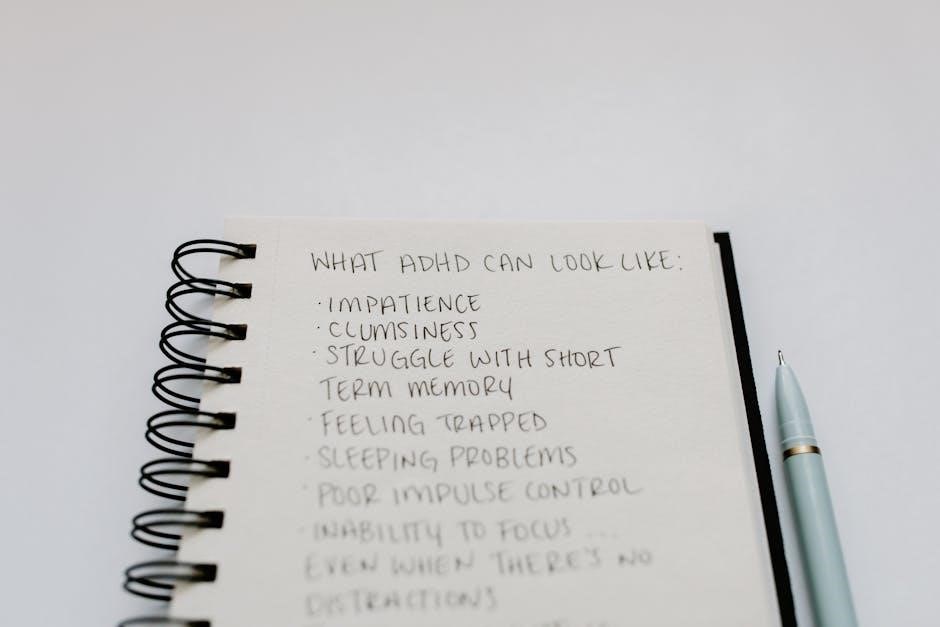
Furthermore‚ reliable PDFs often include information on brand names versus generic names‚ allowing for informed discussions with pharmacists and healthcare providers. Ellie Mental Health resources likely complement these technical details with patient-friendly explanations‚ ensuring accessibility for all.
Navigating a Mental Health Medication PDF
When utilizing a list of mental health medications PDF‚ effective navigation is key. Most PDFs feature a table of contents or a searchable function‚ allowing quick access to specific medications or drug classes. Pharmaceutical Press documents‚ for example‚ often utilize hyperlinked tables for easy cross-referencing.
Pay attention to the document’s structure; information is typically organized alphabetically by drug name or categorized by condition treated. Utilize zoom features for readability‚ especially on detailed images showcasing medication types. Be mindful of version dates – ensuring you have the most current information is crucial.
Resources like Ellie Mental Health may offer supplementary guides on interpreting PDF content‚ simplifying complex pharmacological details. Remember to bookmark frequently accessed pages for future reference and consult a healthcare professional for personalized guidance.
Reliable Sources for PDF Downloads
Finding a trustworthy list of mental health medications PDF requires careful source selection. Pharmaceutical Press (pharmaceuticalpress.com) is a highly reputable provider‚ offering detailed resources on various medications‚ often available for download. Always verify the website’s security (HTTPS) before downloading any file.
Ellie Mental Health resources‚ while potentially offering supplementary guides‚ may link to or provide access to relevant PDFs. Government health organizations and academic institutions are also excellent sources. Be cautious of unofficial websites or forums‚ as information accuracy cannot be guaranteed.
Prioritize PDFs from established pharmaceutical organizations or medical publishers. Cross-reference information with your healthcare provider to ensure accuracy and relevance to your specific needs. Avoid downloading from sites with excessive advertisements or suspicious download prompts.

Potential Side Effects & Considerations
Mental health medication PDFs often detail potential side effects; however‚ individual responses vary greatly‚ necessitating careful monitoring and professional guidance.
Understanding these considerations is crucial for safe and effective treatment‚ alongside informed discussions with your doctor.
Common Side Effects Across Medication Classes
Mental health medication PDFs‚ such as those offered by Pharmaceutical Press‚ frequently outline common side effects experienced across different drug classes. While specifics vary‚ several themes emerge. Antidepressants‚ including SSRIs and SNRIs‚ can cause nausea‚ insomnia‚ sexual dysfunction‚ and weight changes.
Anti-anxiety medications‚ like benzodiazepines‚ may lead to drowsiness‚ dizziness‚ and impaired coordination‚ alongside potential dependence. Mood stabilizers‚ including lithium‚ require careful monitoring due to potential thyroid issues and kidney problems. Antipsychotics‚ both first and second-generation‚ can cause weight gain‚ metabolic changes‚ and movement disorders.

ADHD medications‚ stimulants and non-stimulants alike‚ may result in decreased appetite‚ sleep disturbances‚ and‚ in some cases‚ increased heart rate or blood pressure. It’s vital to remember that a list of mental health medications PDF is a general guide; individual experiences differ‚ and open communication with a healthcare professional is paramount for managing any adverse effects.
Interactions with Other Medications
A comprehensive list of mental health medications PDF‚ like those available from Pharmaceutical Press‚ often highlights potential drug interactions. These interactions can significantly alter medication effectiveness or increase the risk of adverse effects. For example‚ combining antidepressants – particularly SSRIs – with other serotonergic drugs can lead to serotonin syndrome‚ a potentially life-threatening condition.
Benzodiazepines should not be combined with alcohol or opioids due to the increased risk of respiratory depression. Mood stabilizers like lithium can interact with diuretics‚ affecting lithium levels and potentially causing toxicity. Antipsychotics may interact with medications affecting heart rhythm.
Even seemingly harmless over-the-counter medications and herbal supplements can interact with mental health drugs. Therefore‚ providing your healthcare provider with a complete medication list – including everything from prescriptions to vitamins – is crucial. Consulting a PDF resource alongside professional guidance ensures safer and more effective treatment.
The Importance of Consulting a Healthcare Professional
While a list of mental health medications PDF – such as those offered by Pharmaceutical Press – provides valuable information‚ it should never replace professional medical advice. Self-diagnosis and self-treatment can be dangerous‚ and mental health conditions require individualized care.
A healthcare professional can accurately diagnose your condition‚ consider your medical history‚ and determine the most appropriate medication and dosage. They can also monitor for side effects and adjust your treatment plan as needed. Resources like Ellie Mental Health emphasize the importance of personalized care.
Understanding potential interactions‚ as detailed in a PDF guide‚ is vital‚ but a doctor can assess your specific risk factors. They can explain the benefits and risks of each medication and answer your questions‚ ensuring informed decision-making and optimal treatment outcomes.

Resources for Further Information
Pharmaceutical Press offers detailed mental health medications PDFs‚ while Ellie Mental Health provides accessible support and guidance for understanding treatment options.
These resources complement professional advice.
Pharmaceutical Press Resources
Pharmaceutical Press stands as a highly reputable source for in-depth information regarding mental health medications‚ offering a wealth of resources for both professionals and individuals seeking knowledge. Their website‚ www.pharmaceuticalpress.com‚ frequently features articles and downloadable materials‚ including potentially valuable PDF guides detailing various medication types.
Specifically‚ resources like their visual guide – as evidenced by images found at URLs such as this image link – provide a clear overview of common medications. These resources often cover antidepressants‚ anti-anxiety drugs‚ mood stabilizers‚ and antipsychotics‚ offering insights into their mechanisms and uses.
While a dedicated‚ comprehensive list of mental health medications PDF may not always be directly available‚ exploring their articles and publications is a strong starting point. The Pharmaceutical Press prioritizes accuracy and evidence-based information‚ making it a trustworthy source for navigating the complexities of psychopharmacology.
Ellie Mental Health Resources
Ellie Mental Health provides accessible and informative resources focused on mental wellbeing‚ including details surrounding various medications. While a direct‚ downloadable list of mental health medications PDF isn’t explicitly highlighted on their main site‚ their platform‚ dishcuss.com‚ features discussions and articles covering specific medication classes‚ such as those used for ADHD.
These resources often break down complex information into understandable terms‚ aiding individuals in comprehending their treatment options. Ellie Mental Health emphasizes a holistic approach‚ acknowledging that medication is often one component of a broader care plan. Their content frequently addresses the importance of consulting with healthcare professionals for personalized guidance.
Though not a single comprehensive PDF‚ exploring their articles and community forums can offer valuable insights into medication management and potential side effects‚ complementing information from sources like Pharmaceutical Press.